Sazabi
Branding, Design engineering, Development, UI, Graphic design
2026
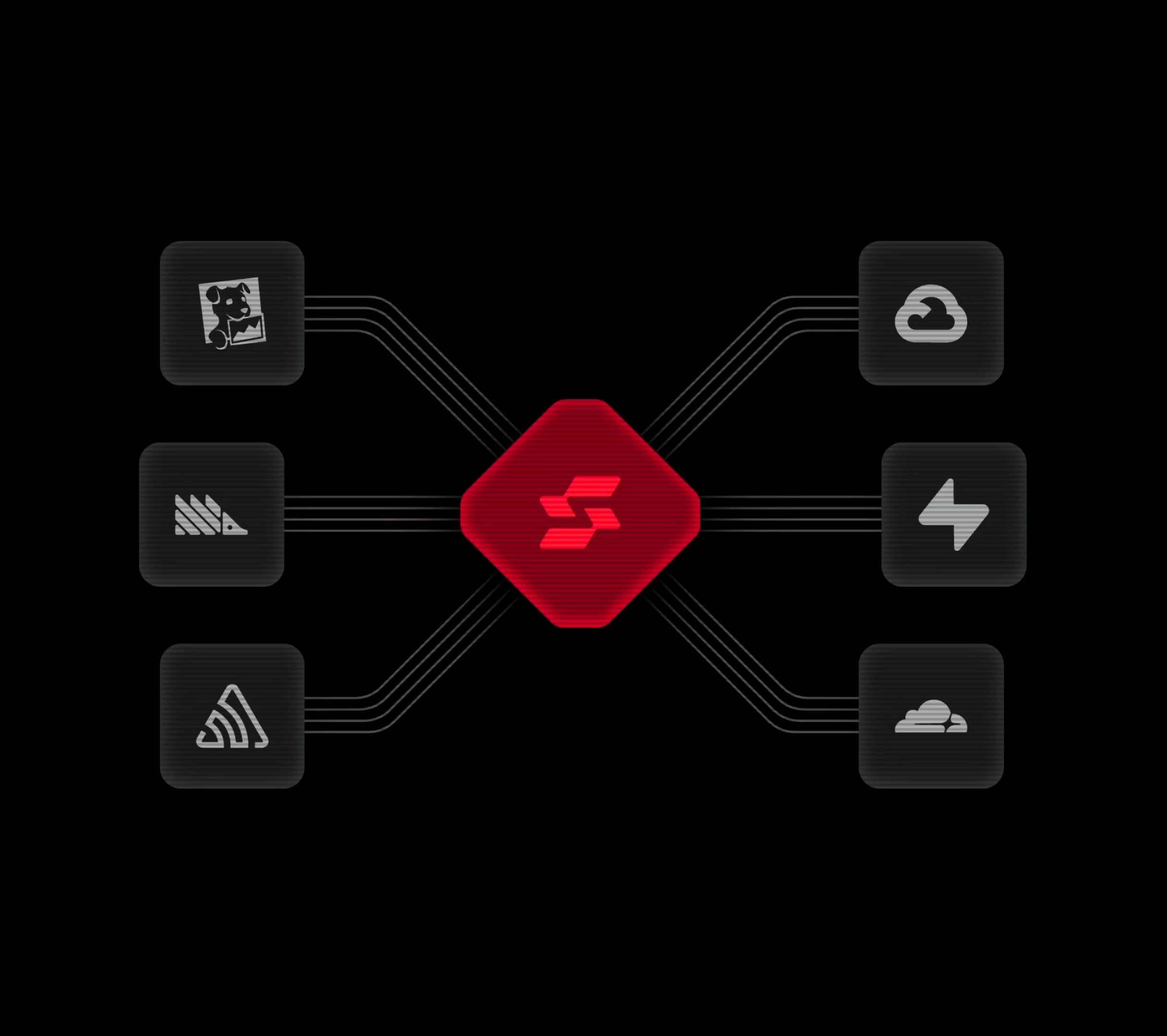
Sazabi is the AI-Native observability platform.
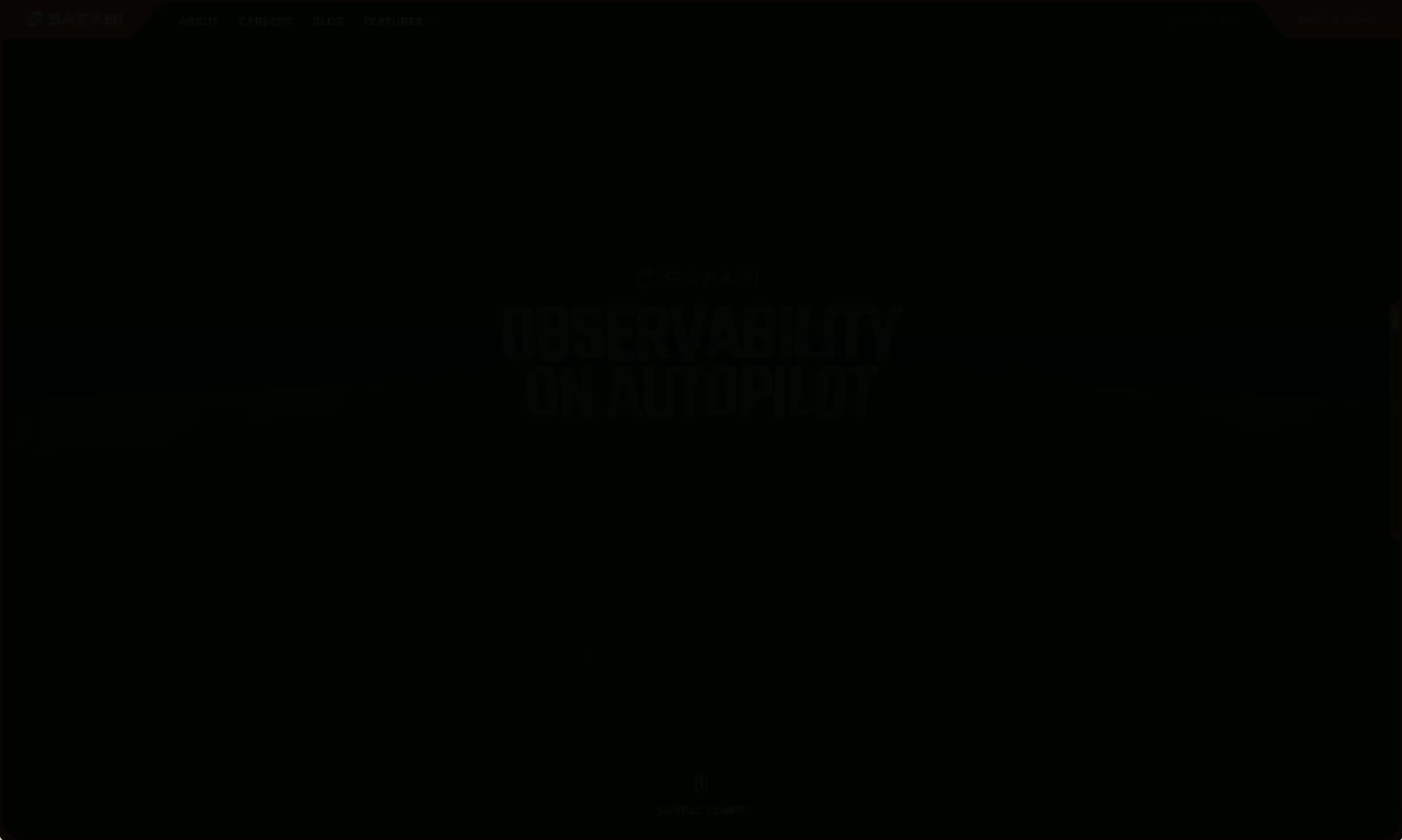
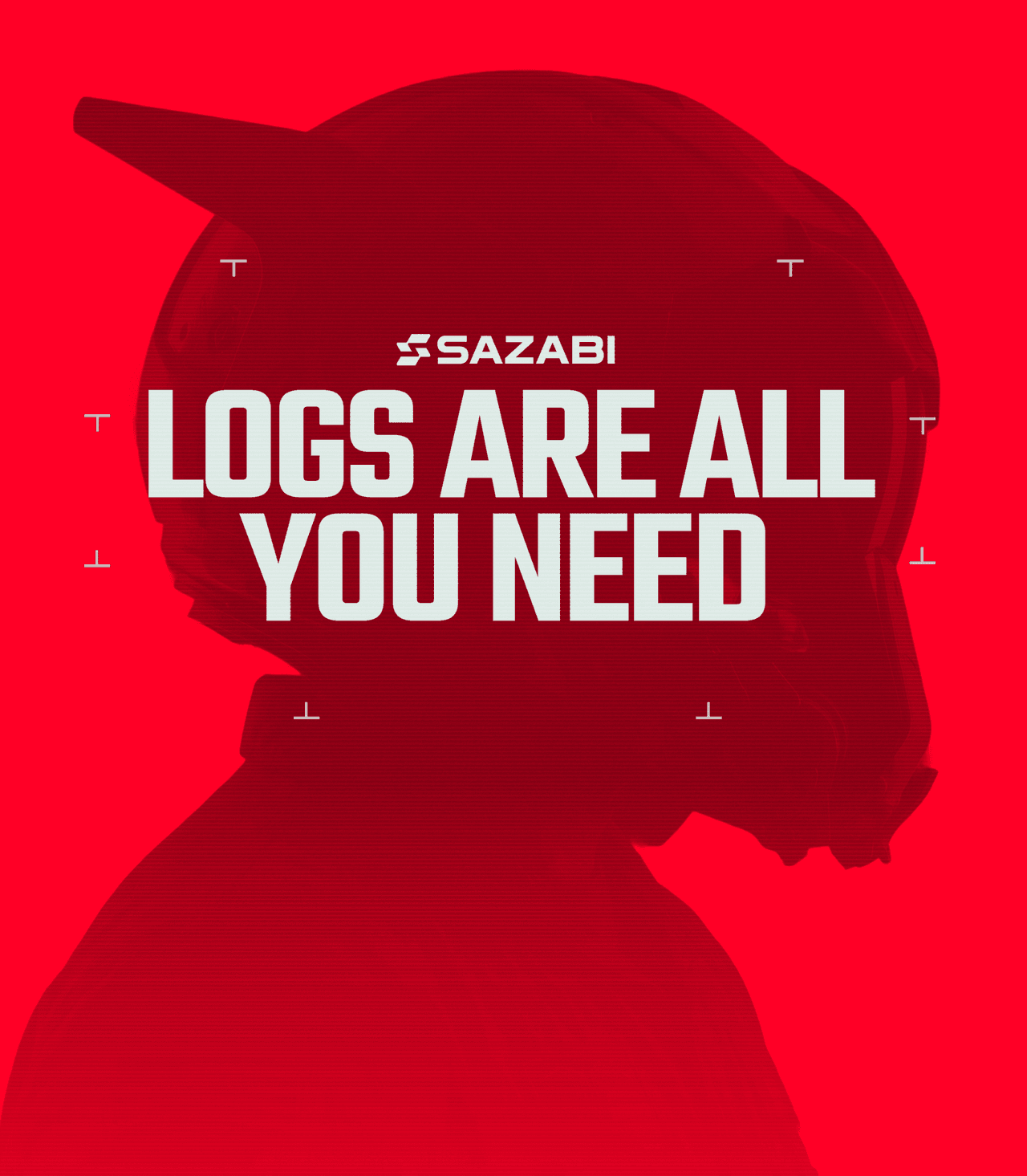
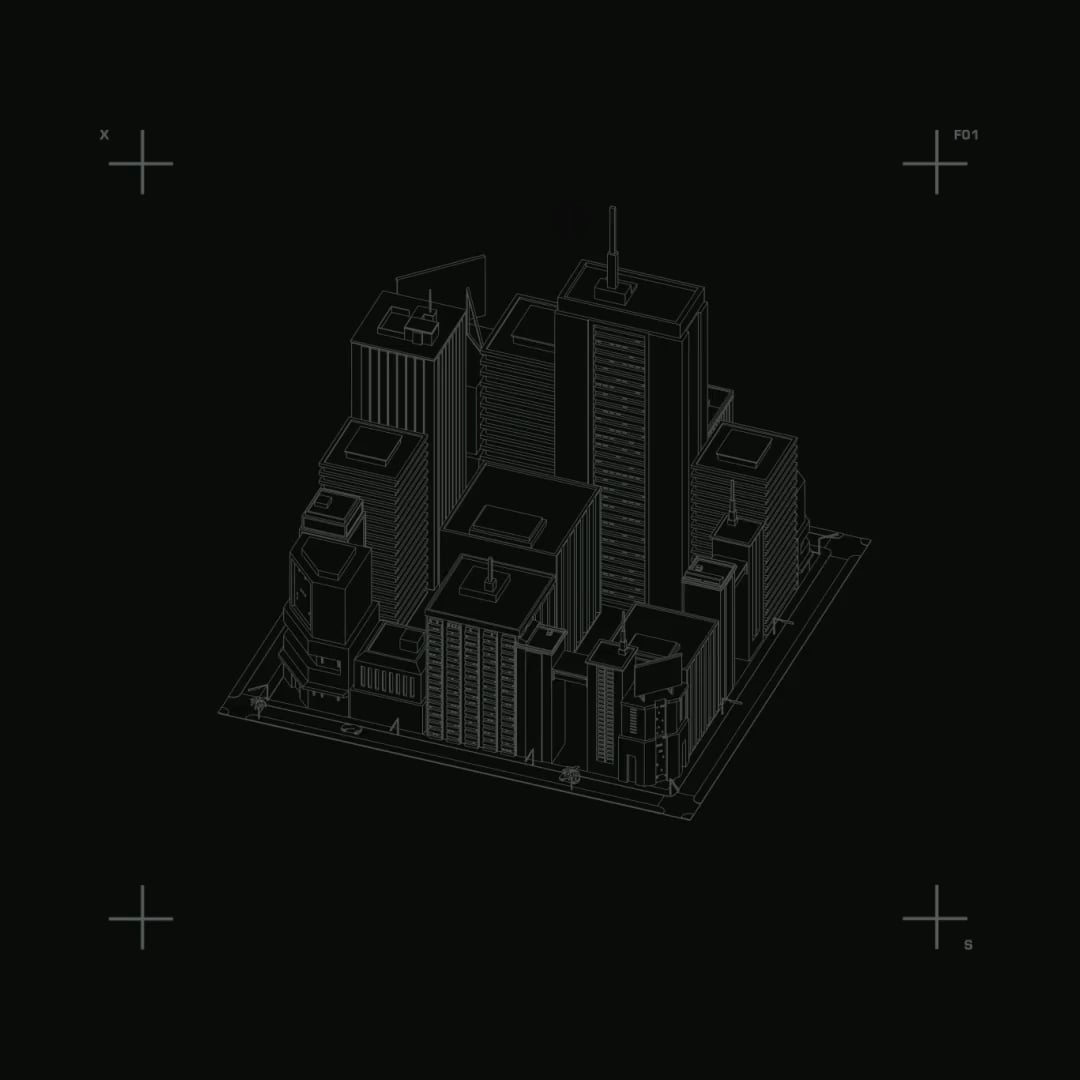
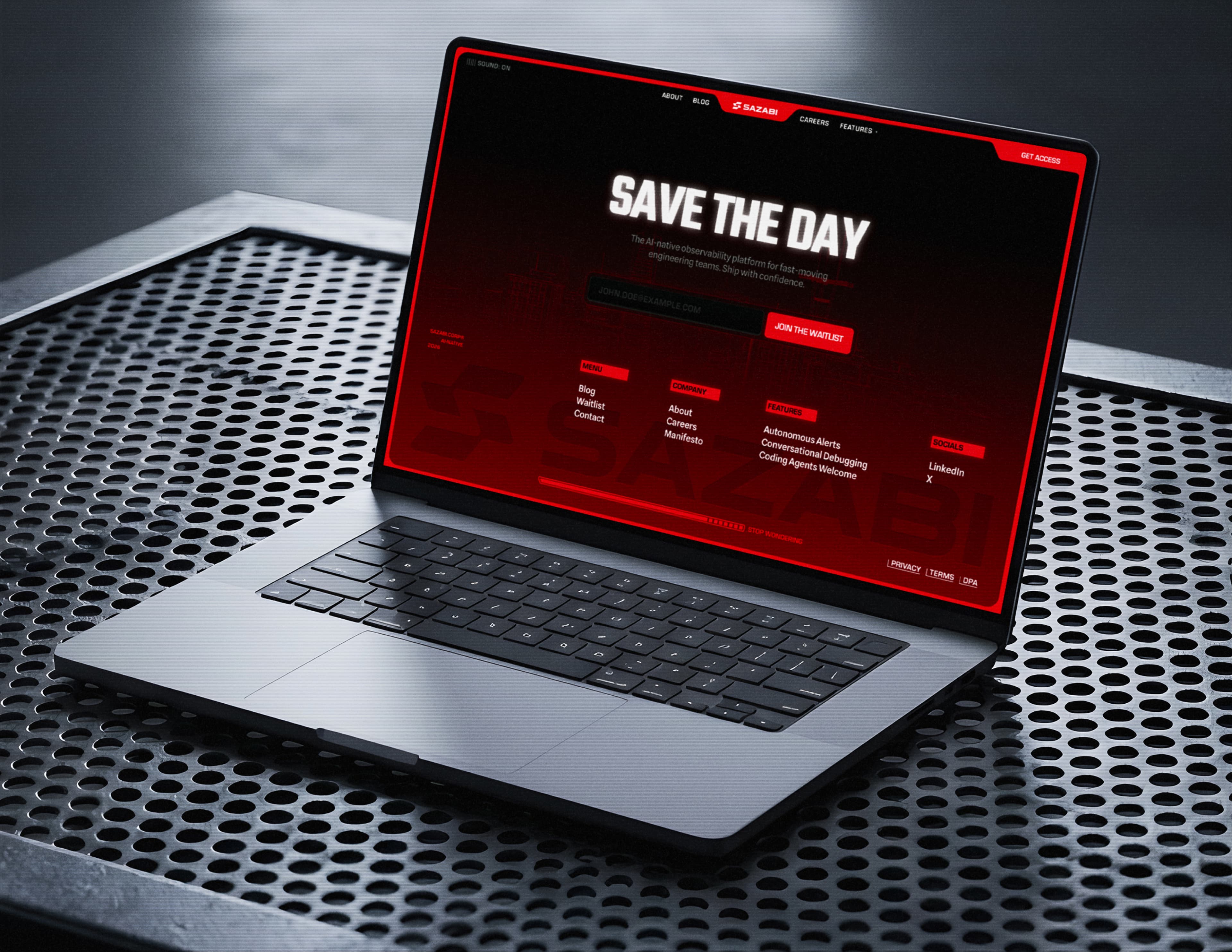
JOYCO created Sazabi’s brand and website, giving its AI-native observability platform a clear, distinctive visual system built for engineers.
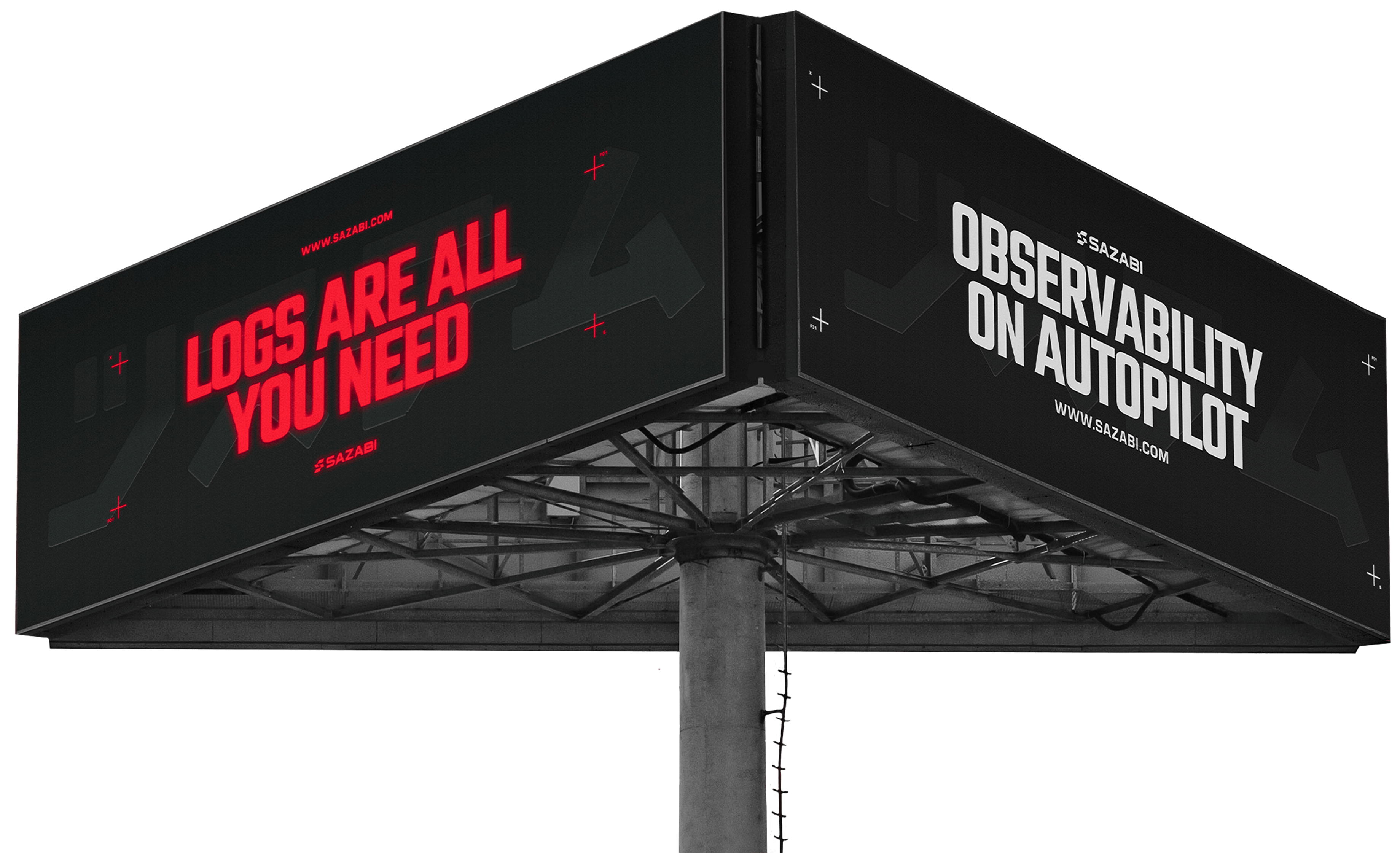
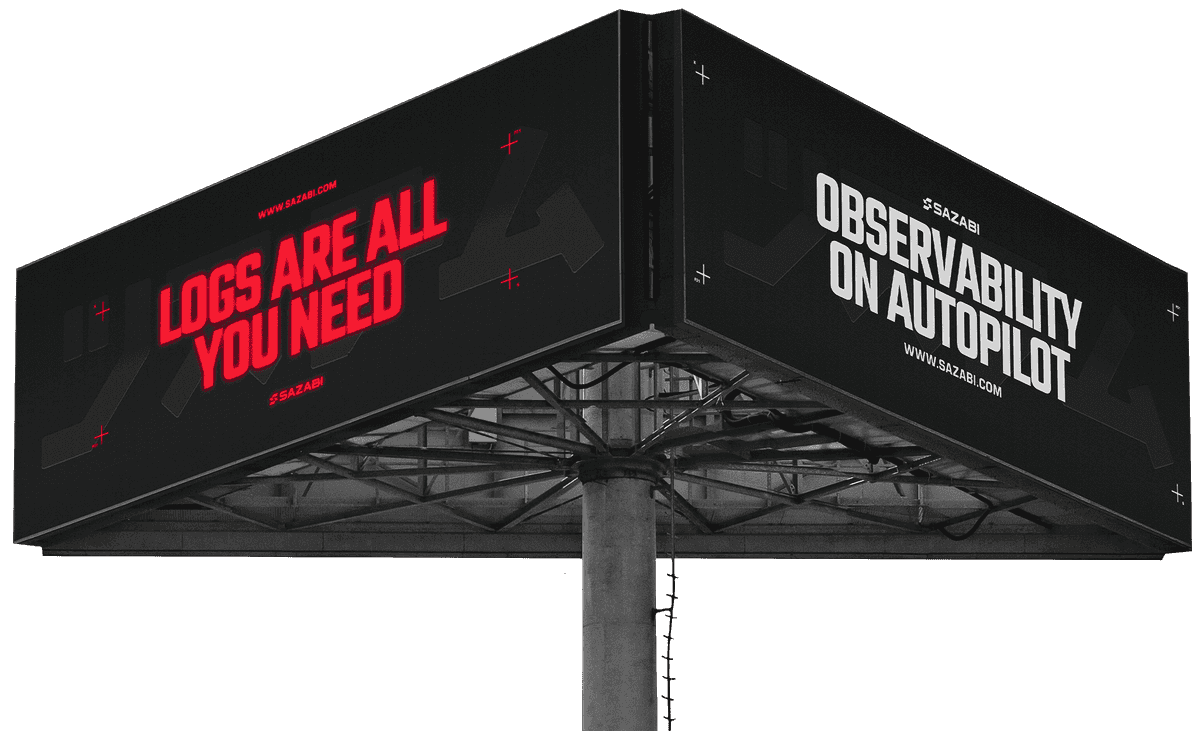
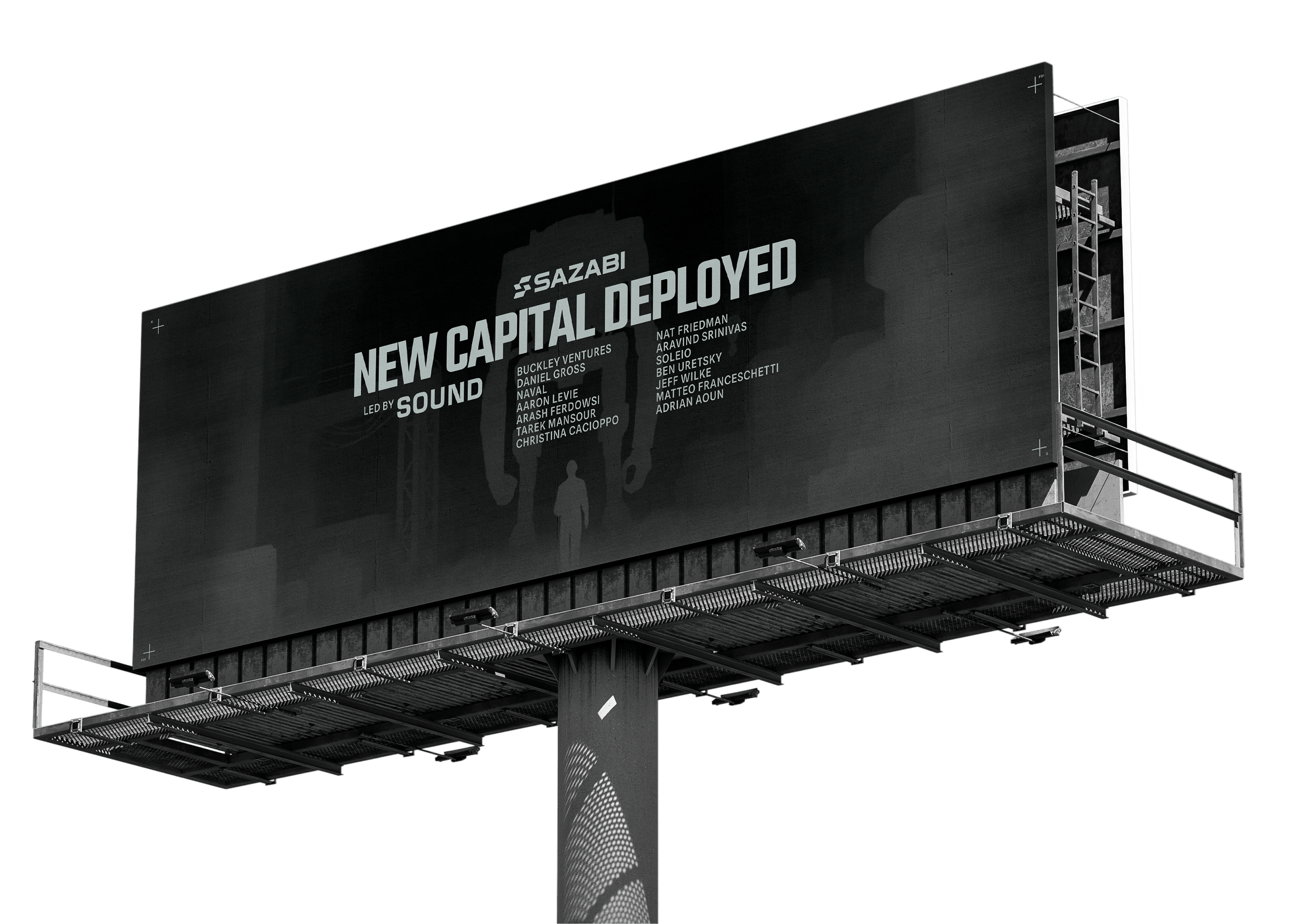
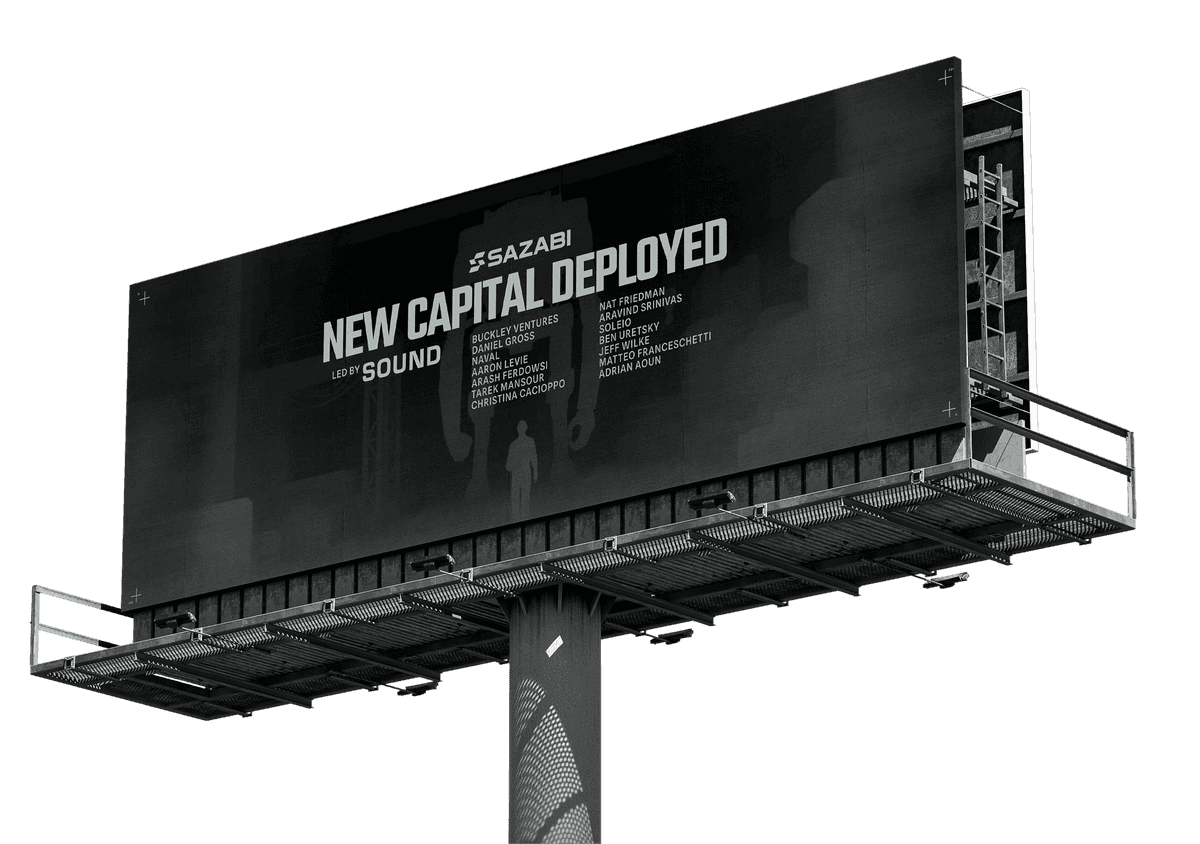
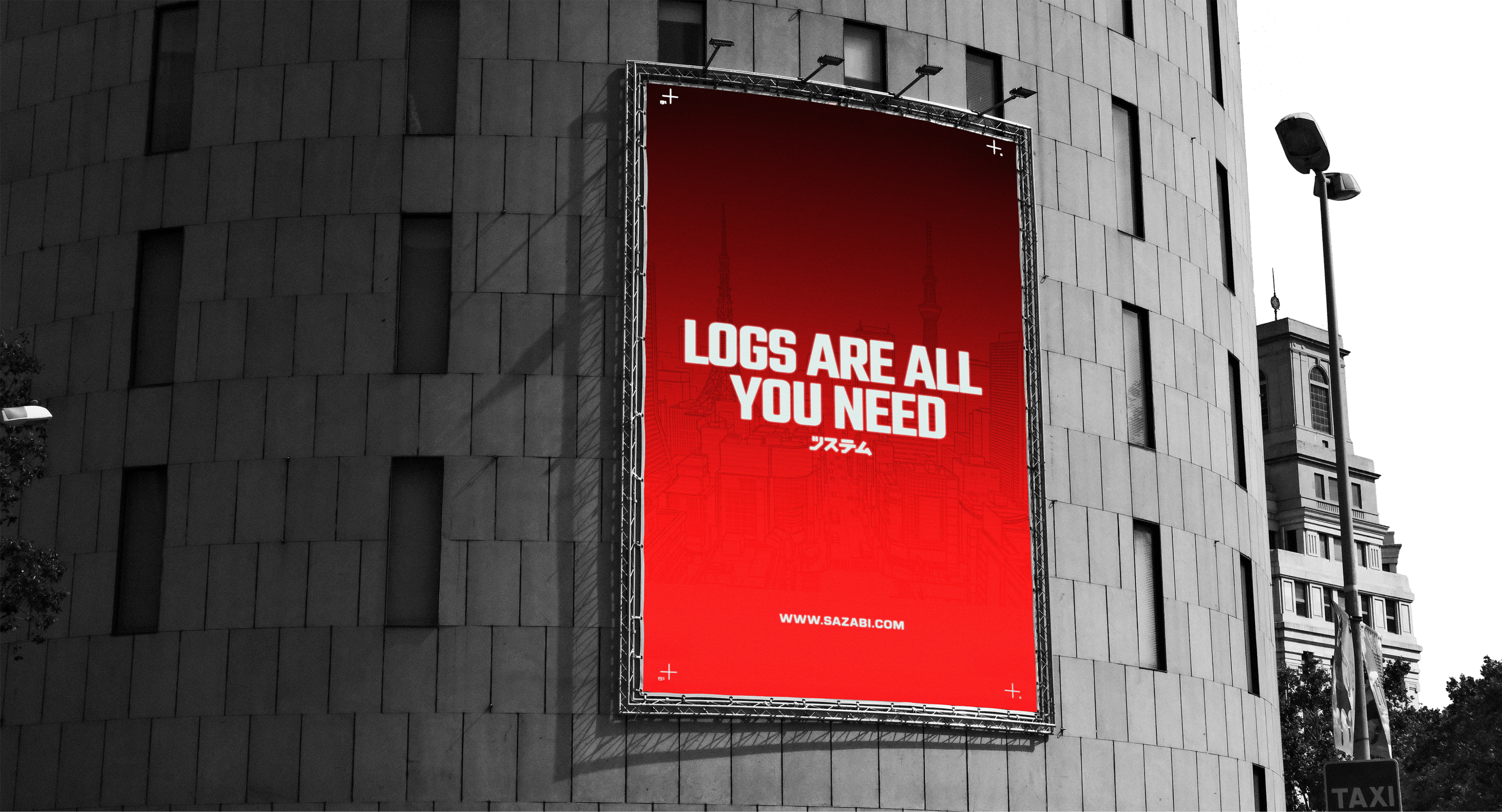
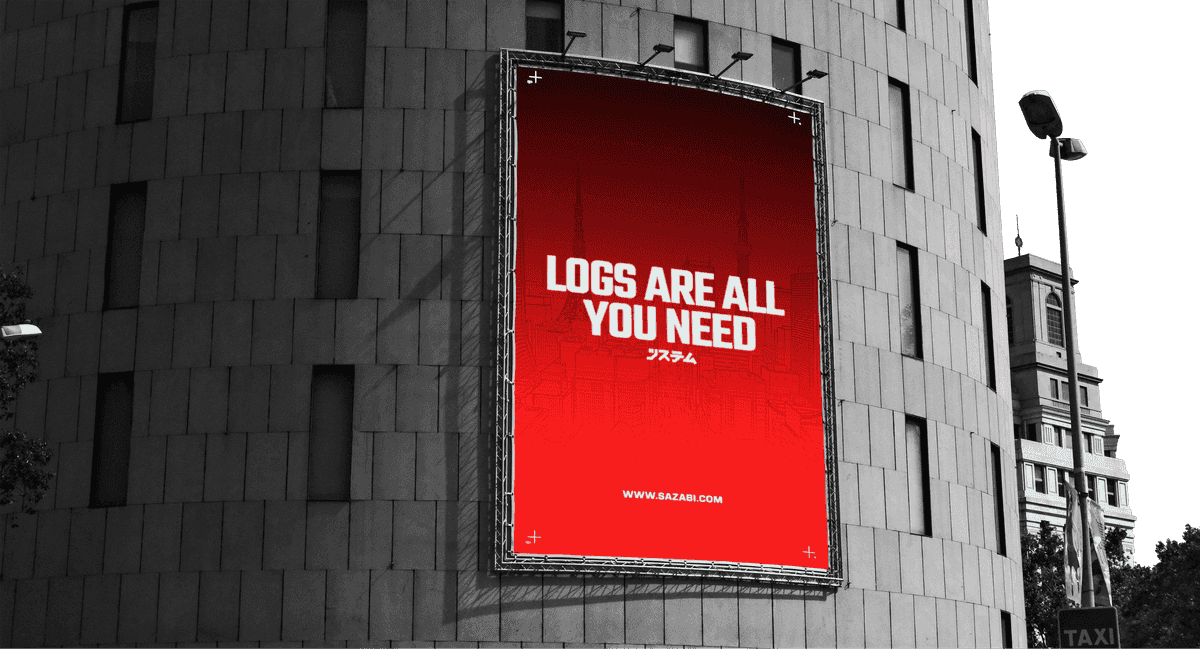
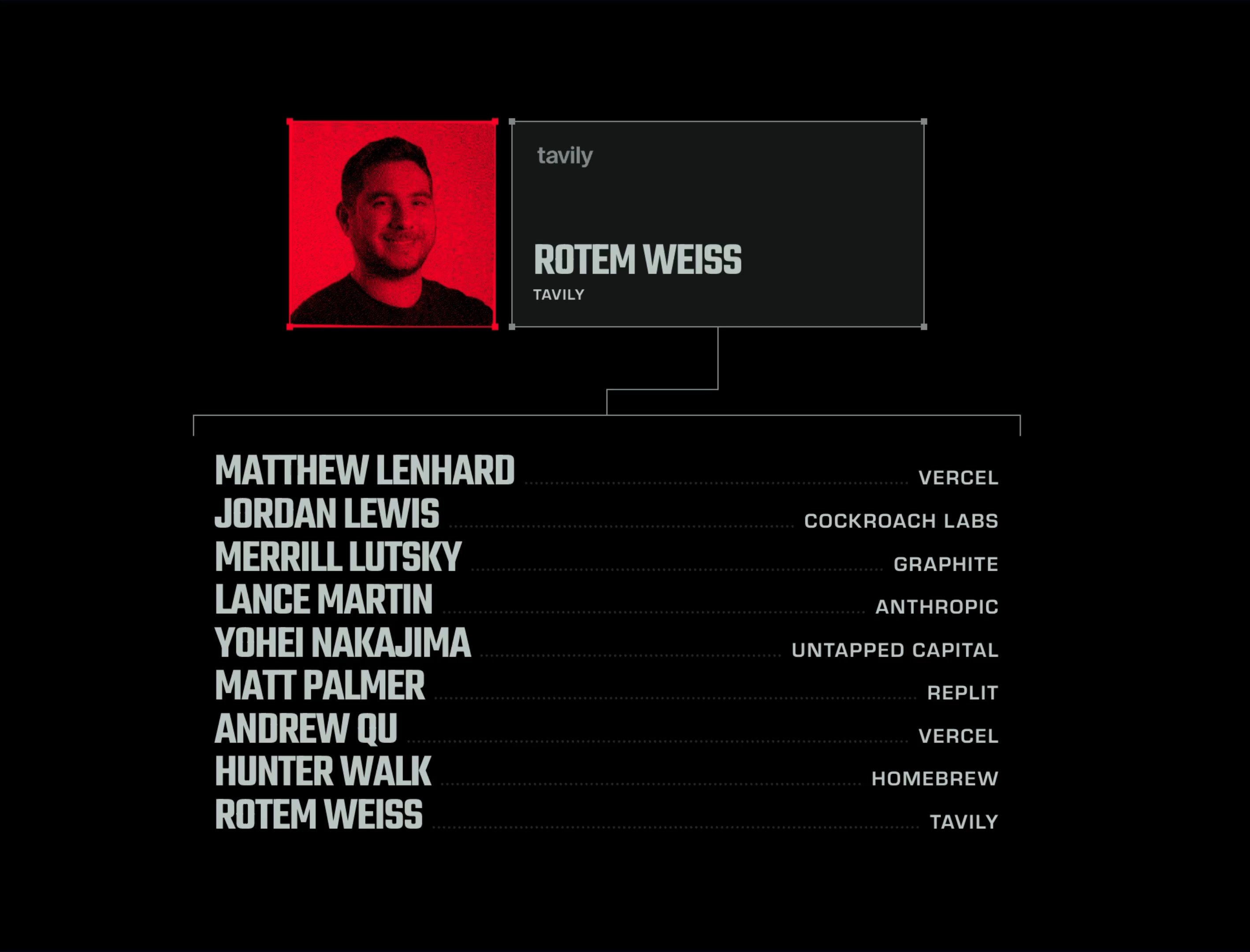
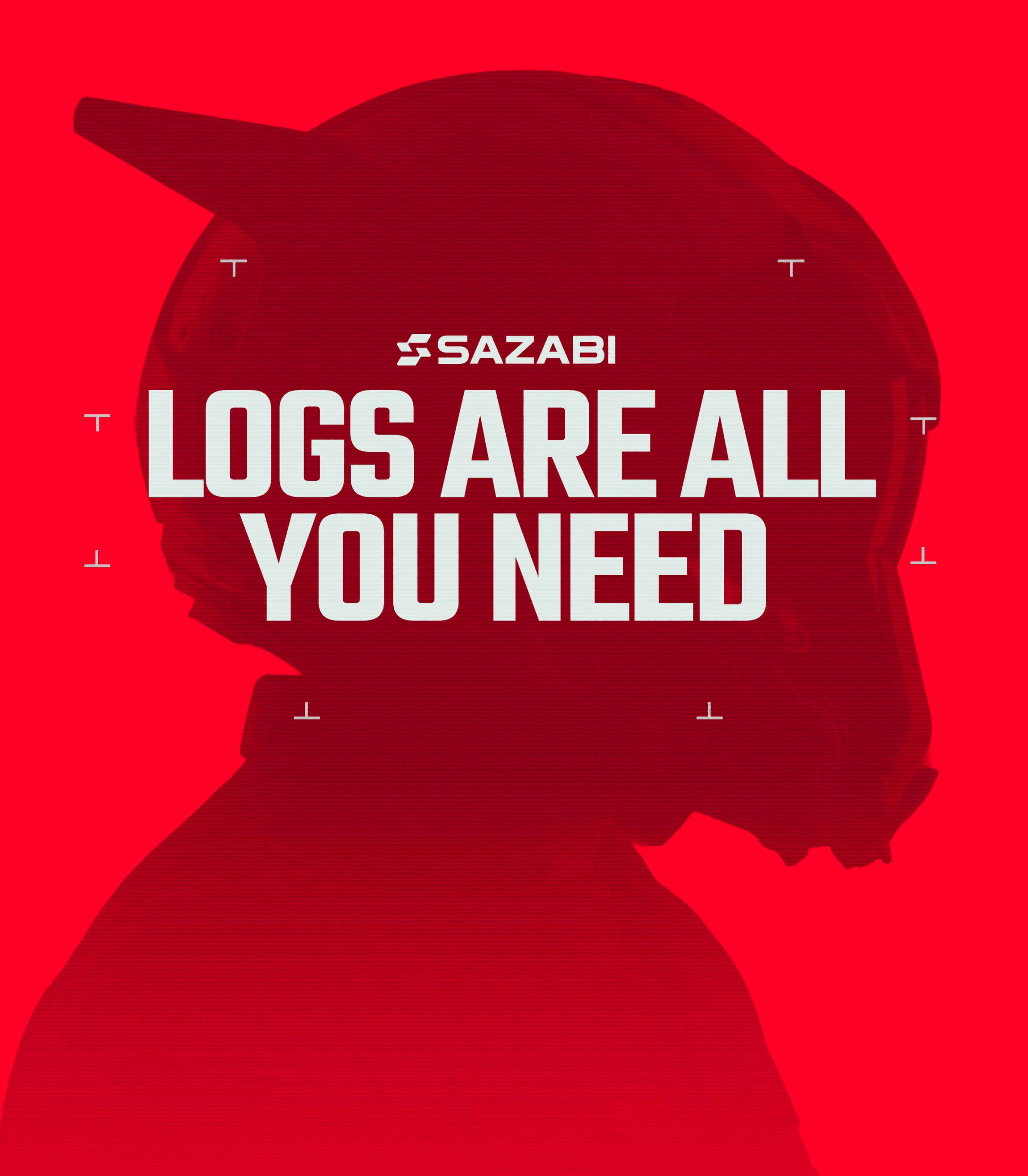
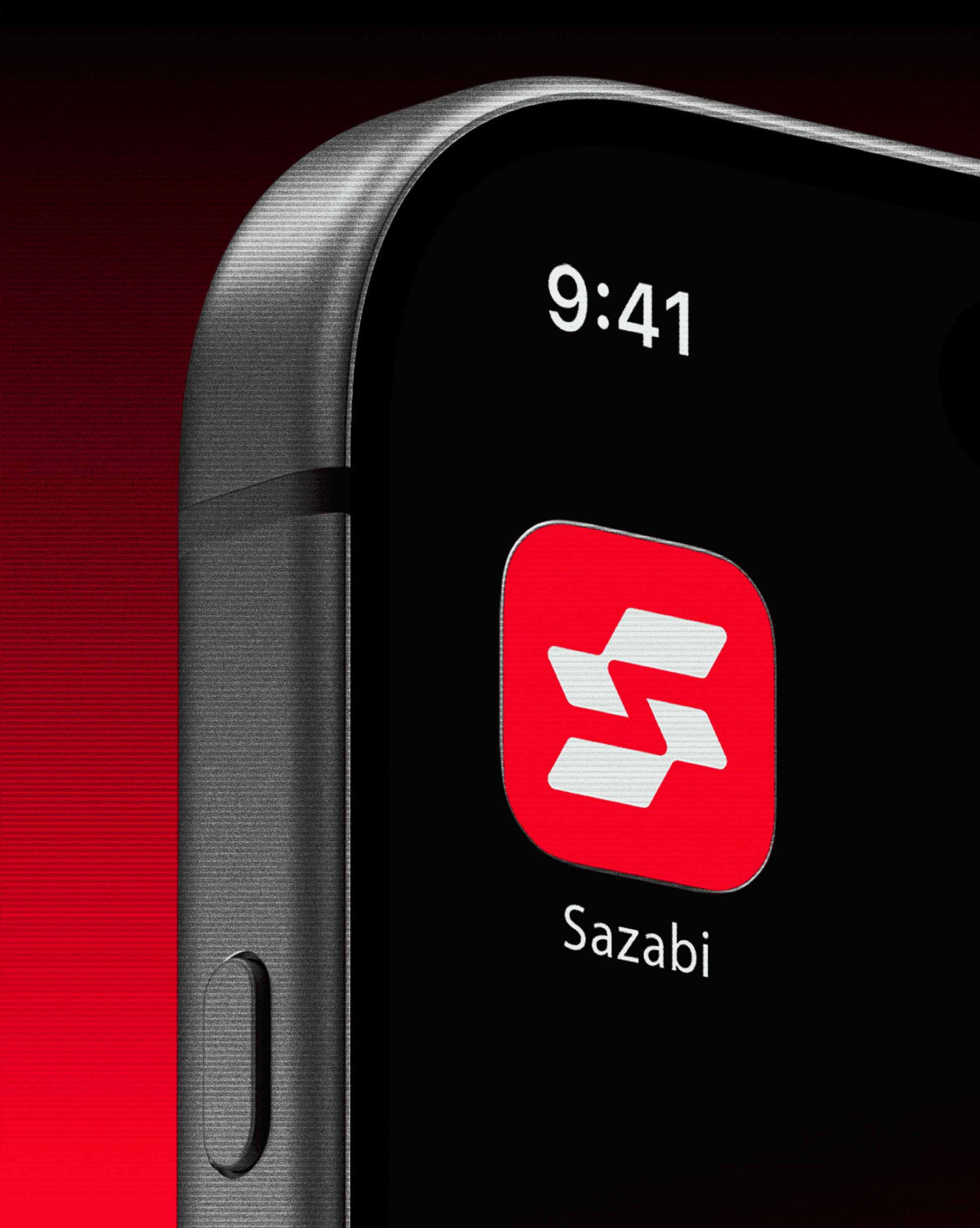
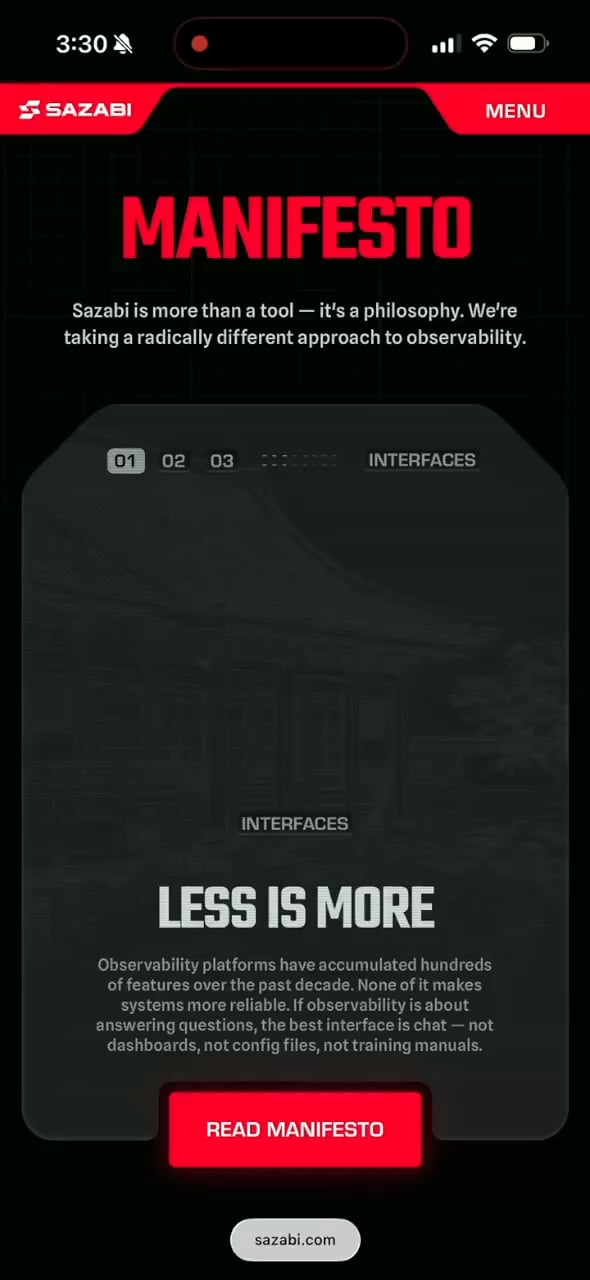
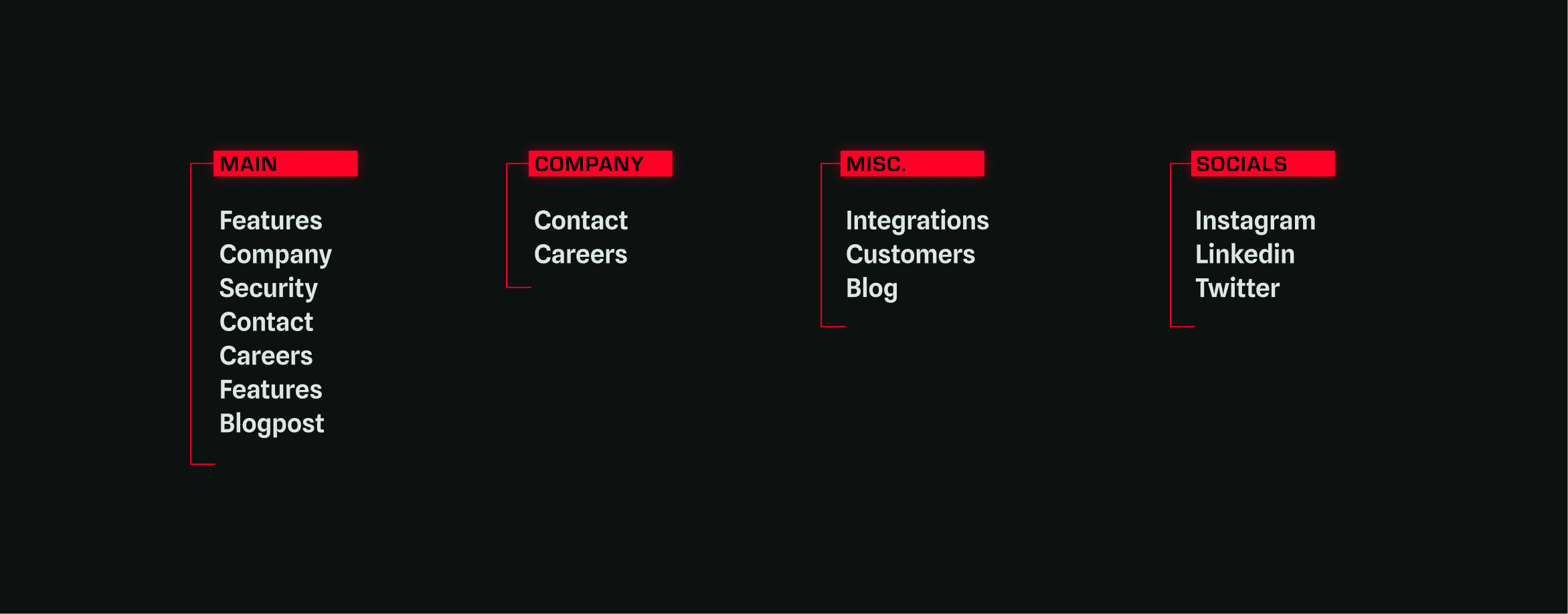
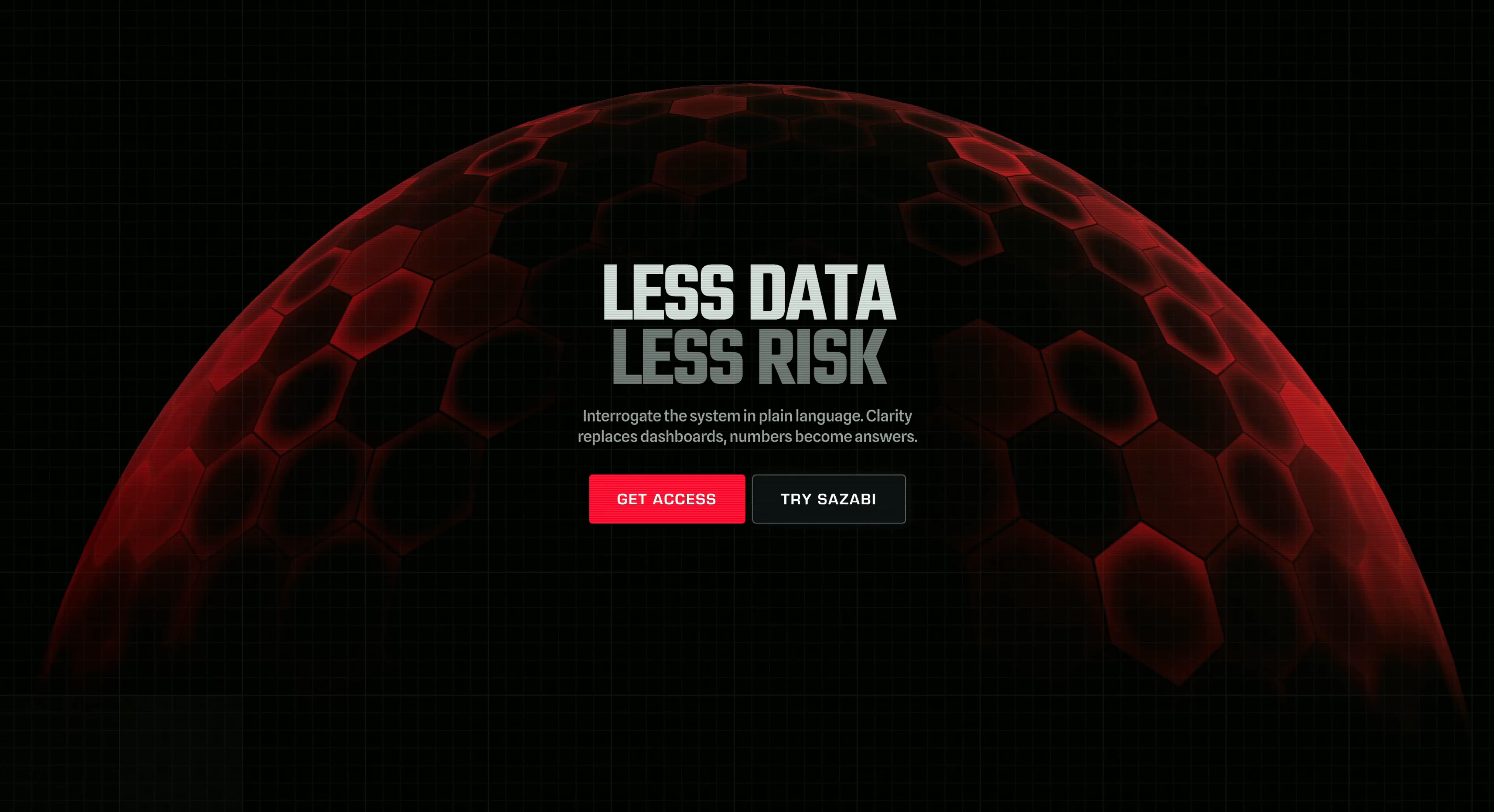
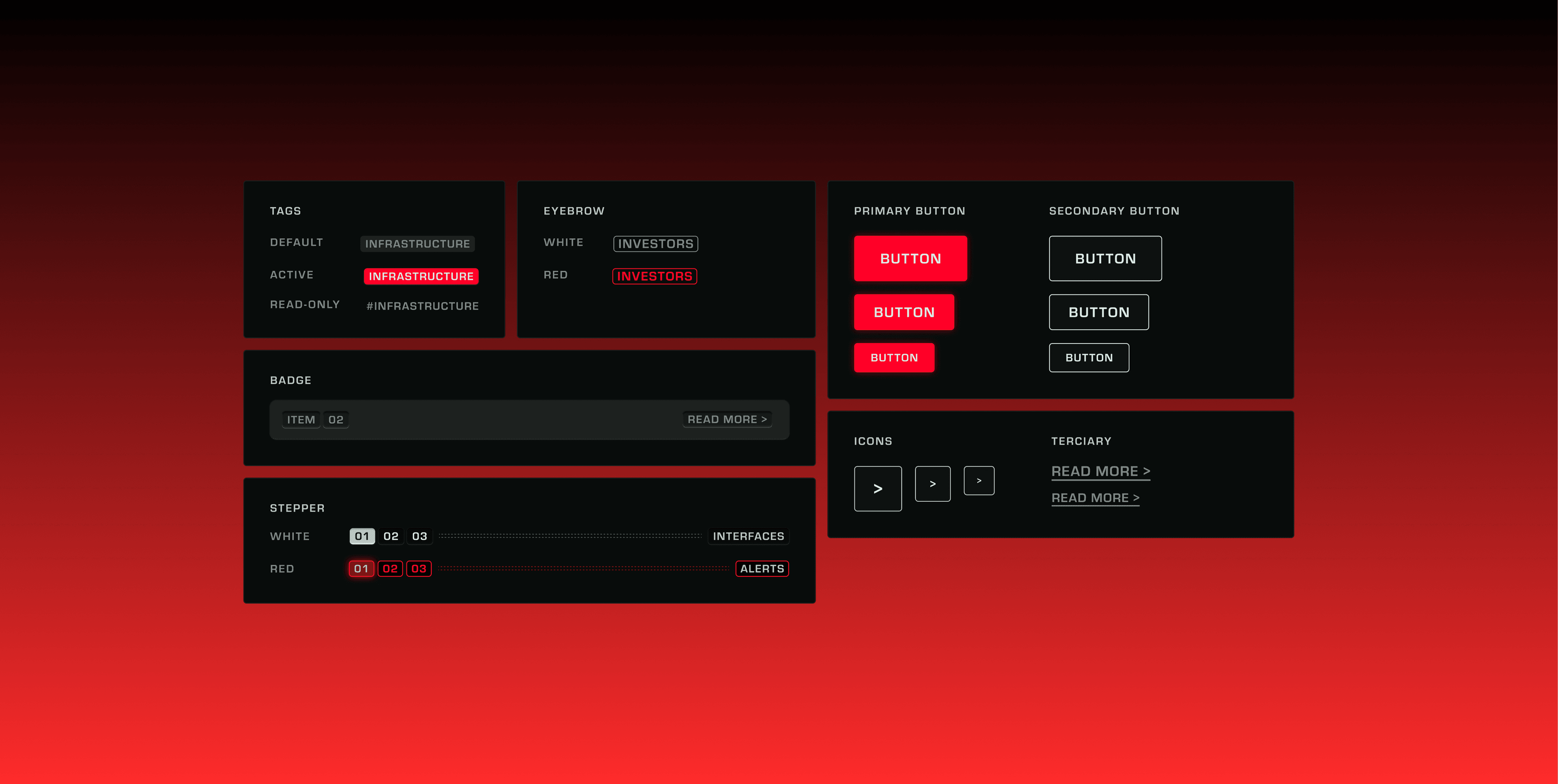
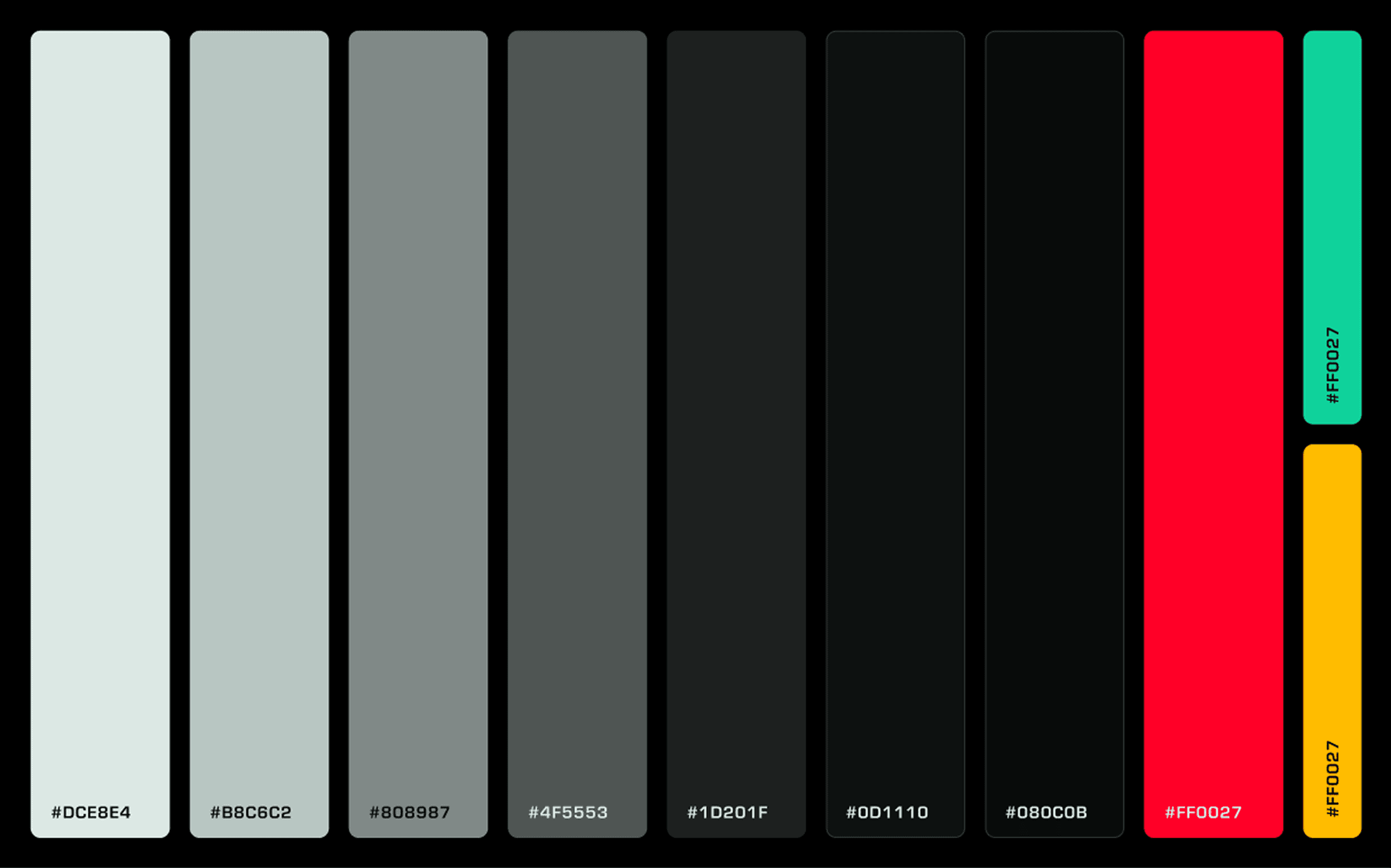
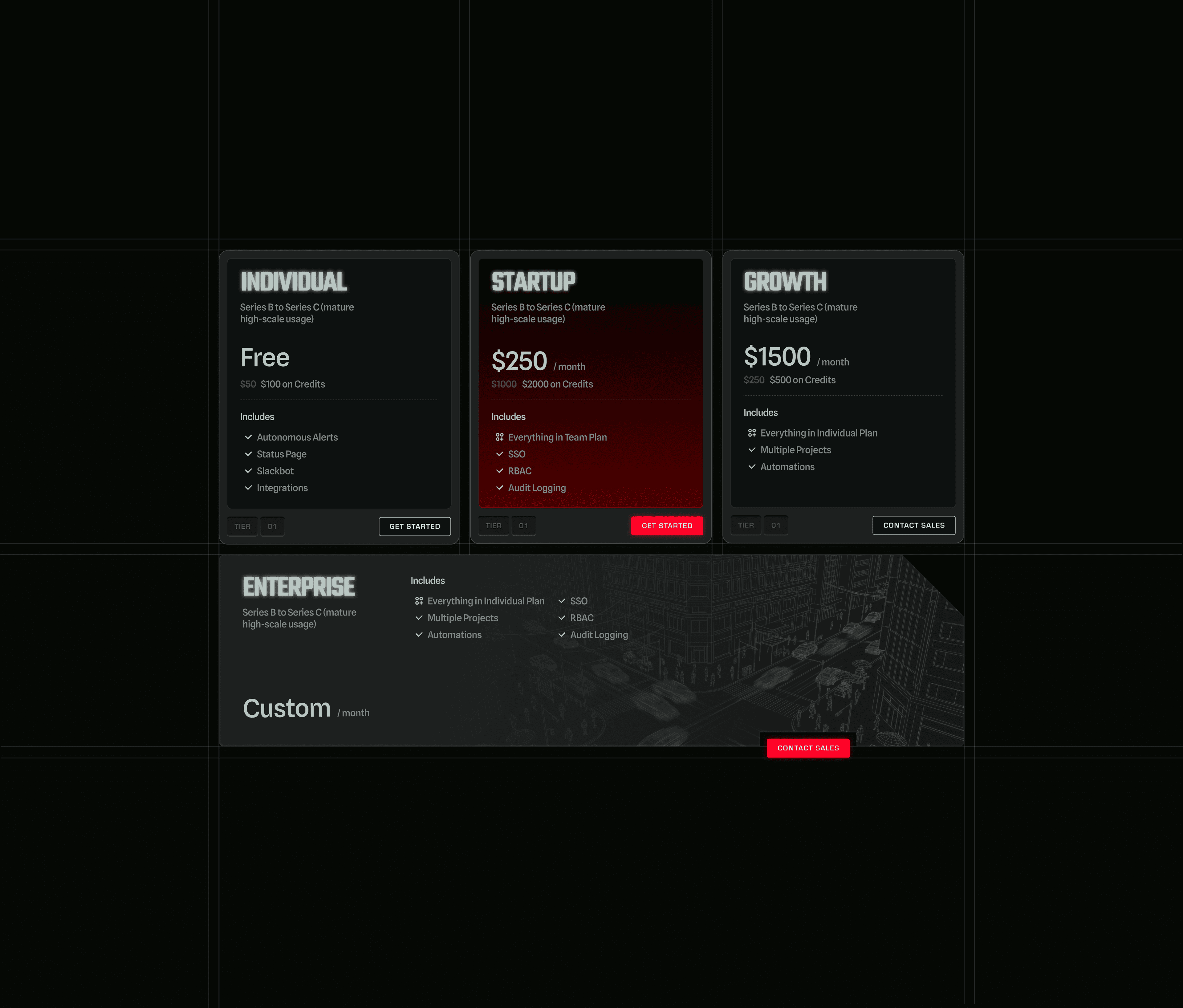
The visual system is a small kit that works hard. Red on black as the base, with almost nothing else chromatic. A condensed uppercase display face that reads like a warning label, over a plain sans for body text. Registration marks and crosshairs borrowed from technical drawings, framing images, numbering sections and pinning corners across the site. Japanese numerals and kanji beside the six company values on the About page, a nod to the name that never turns into a costume. The same parts dress the investors list, the footer, a poster and a set of billboard mockups, so a screenshot of any page is recognisably Sazabi before you read a word.
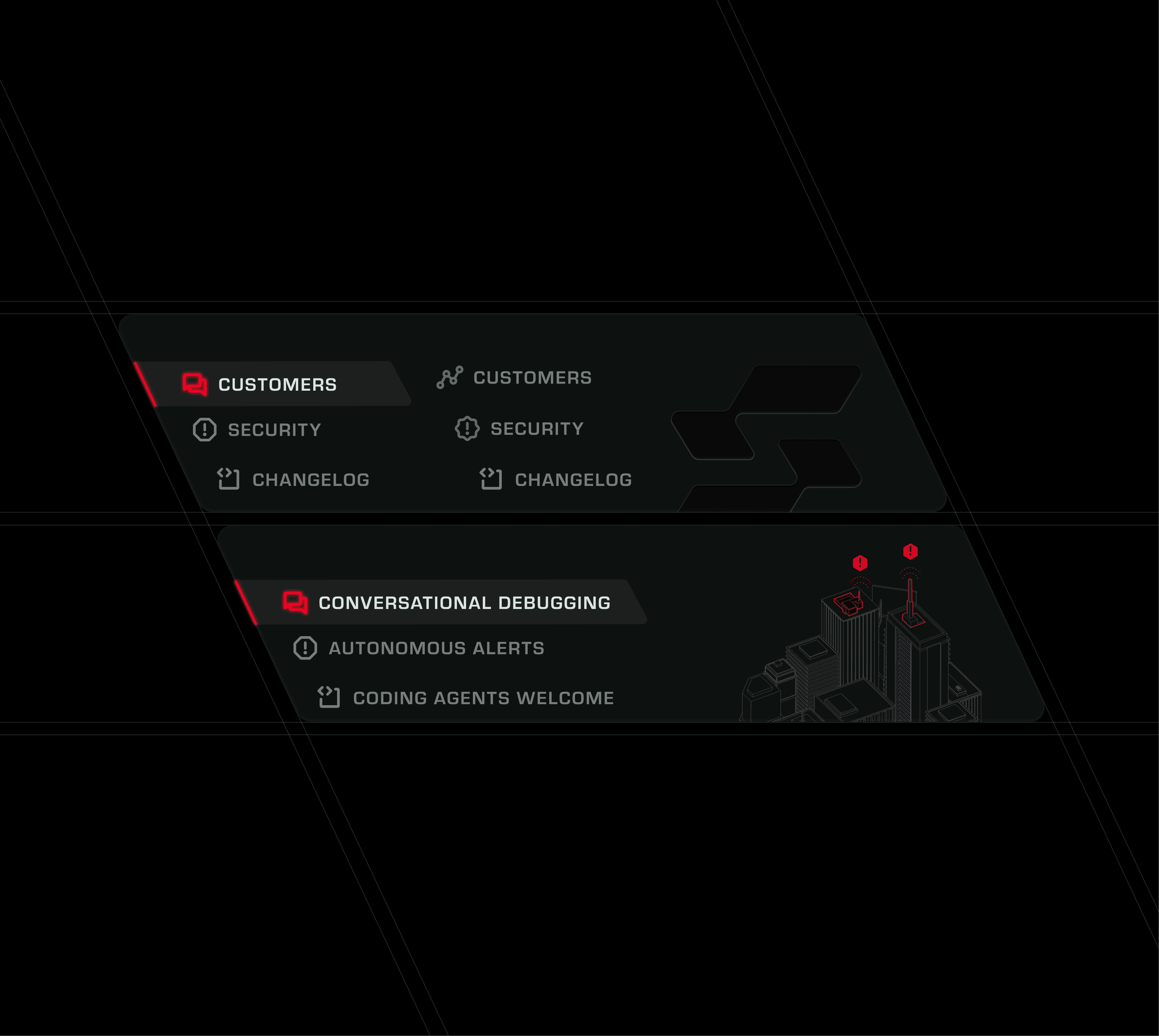
A shared type scale, grid, crosshair frame, label and card system keeps punchy 3D heroes, long editorial pages, decks and stickers unmistakably Sazabi.
One system, from hero to blog post
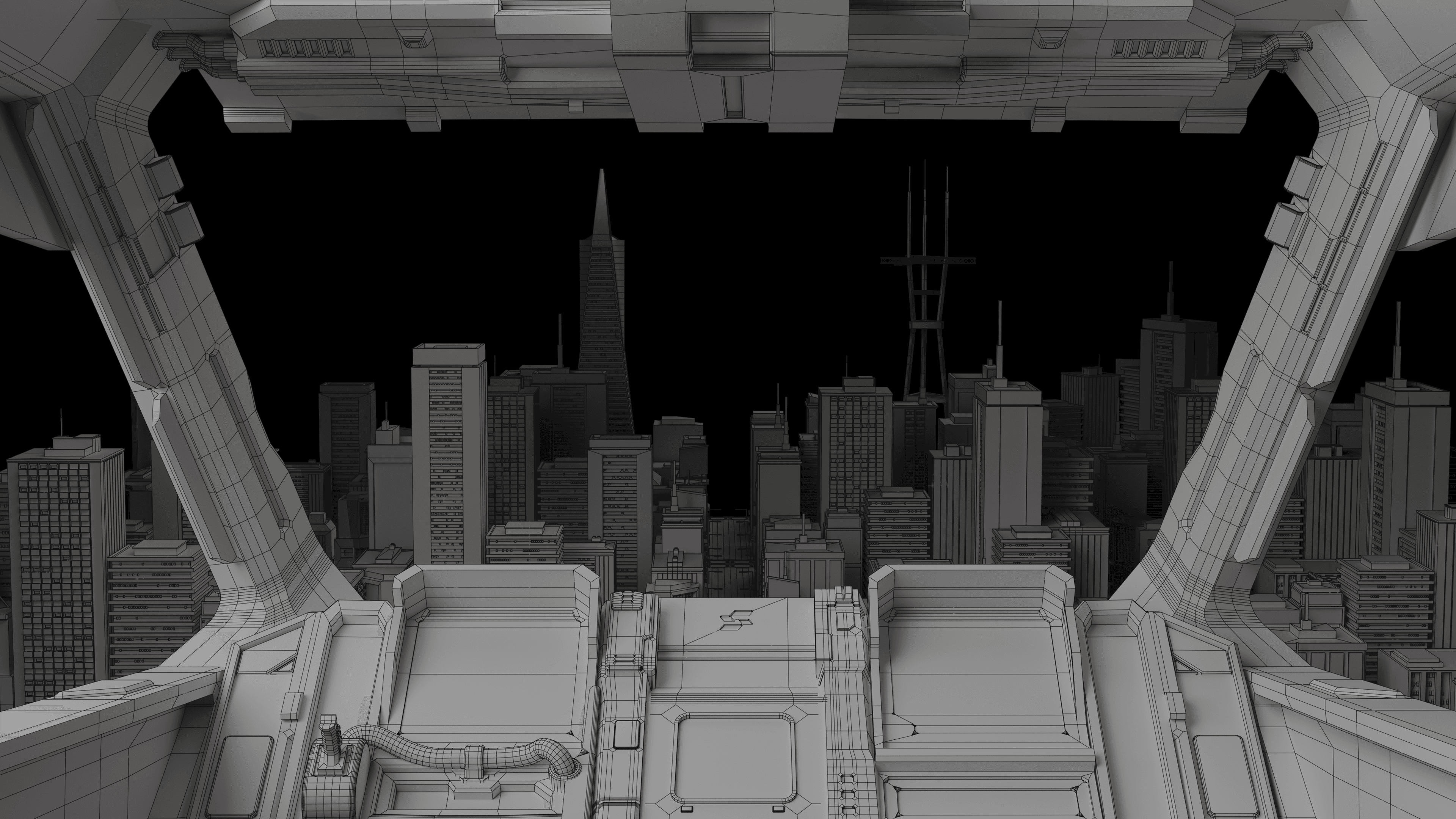
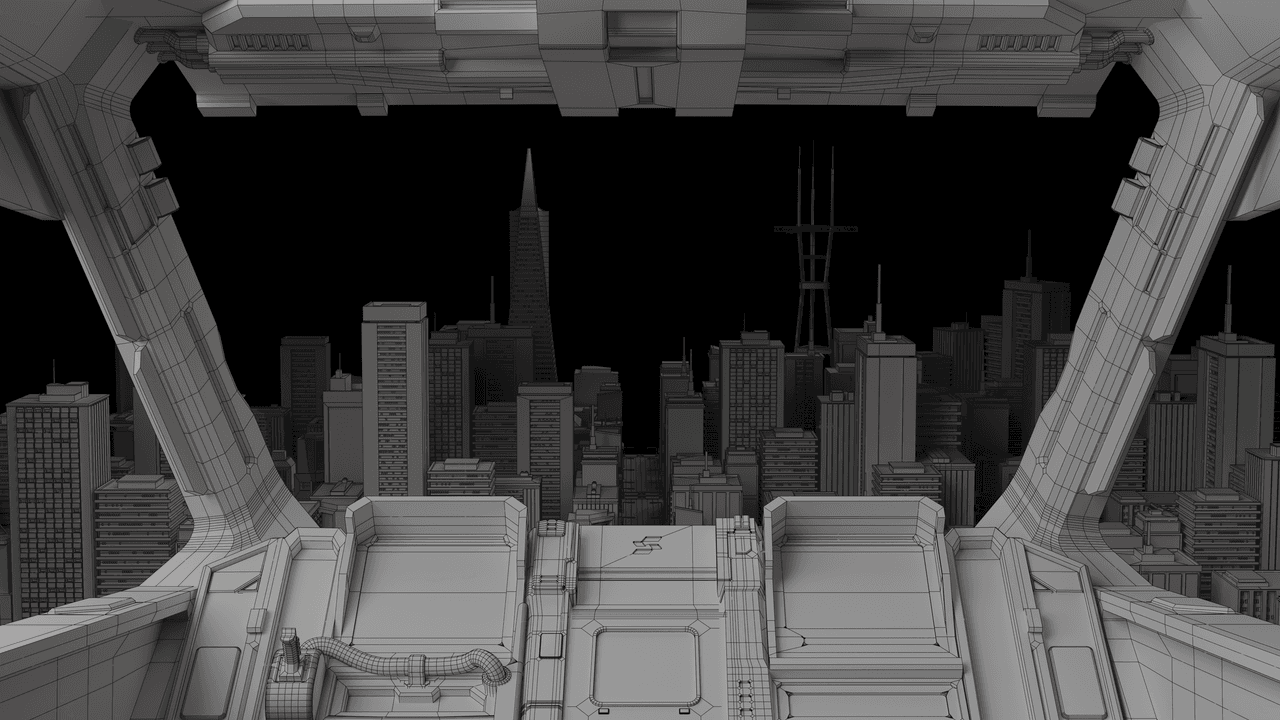
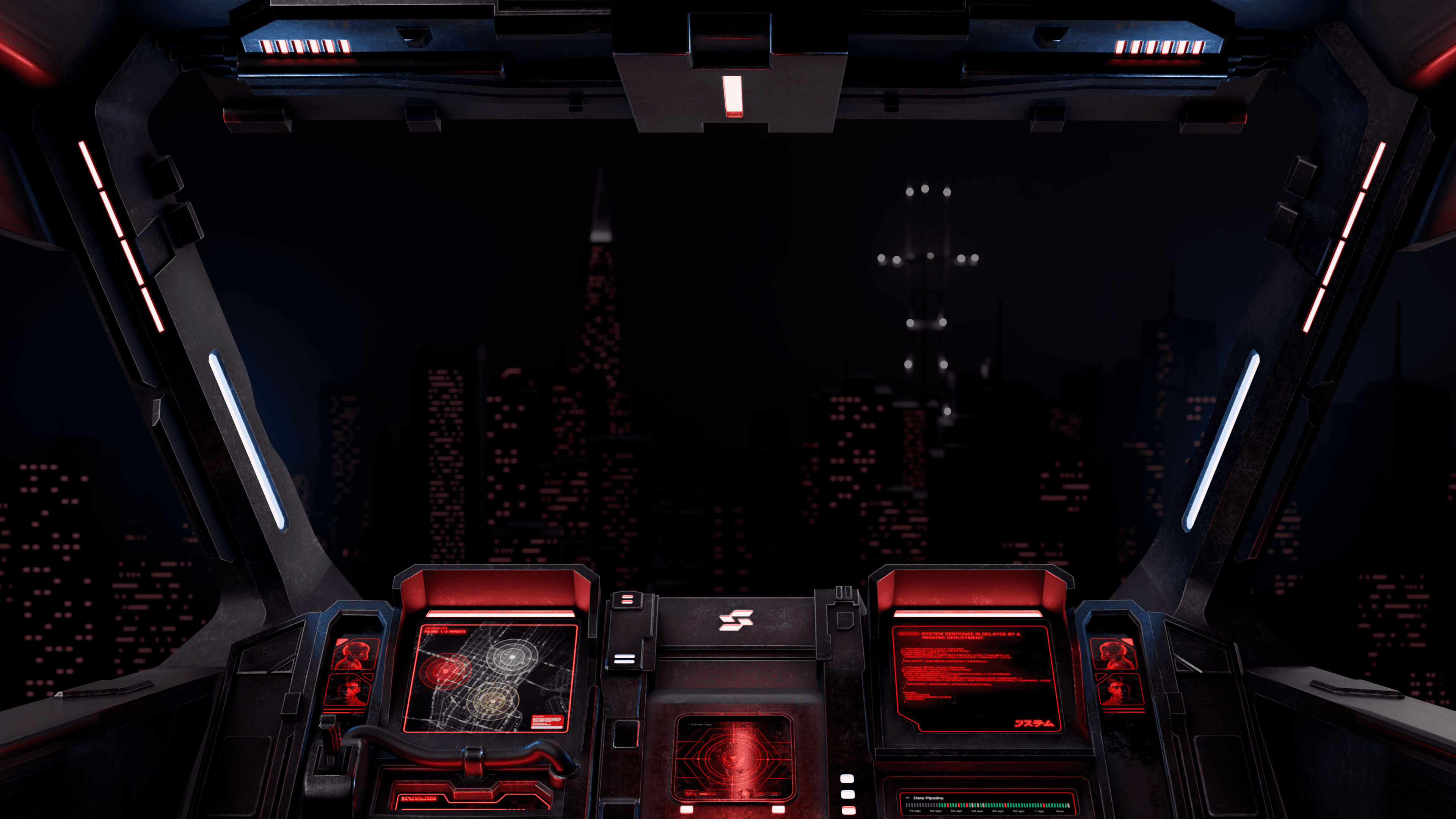
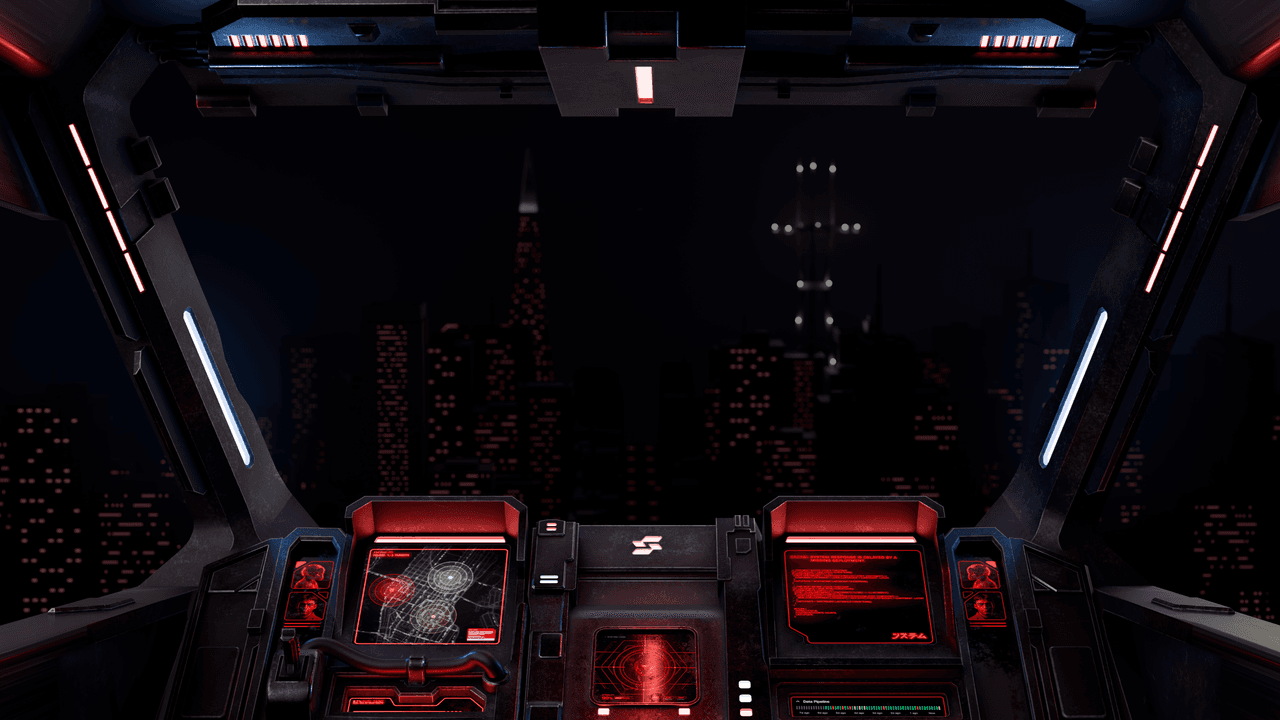
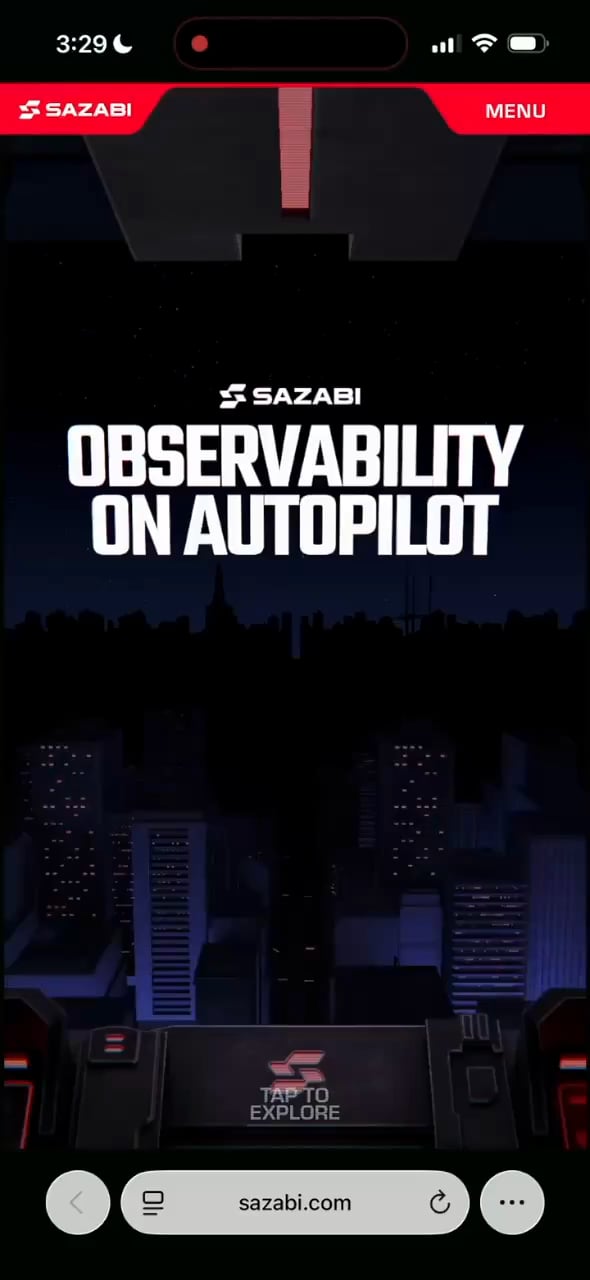
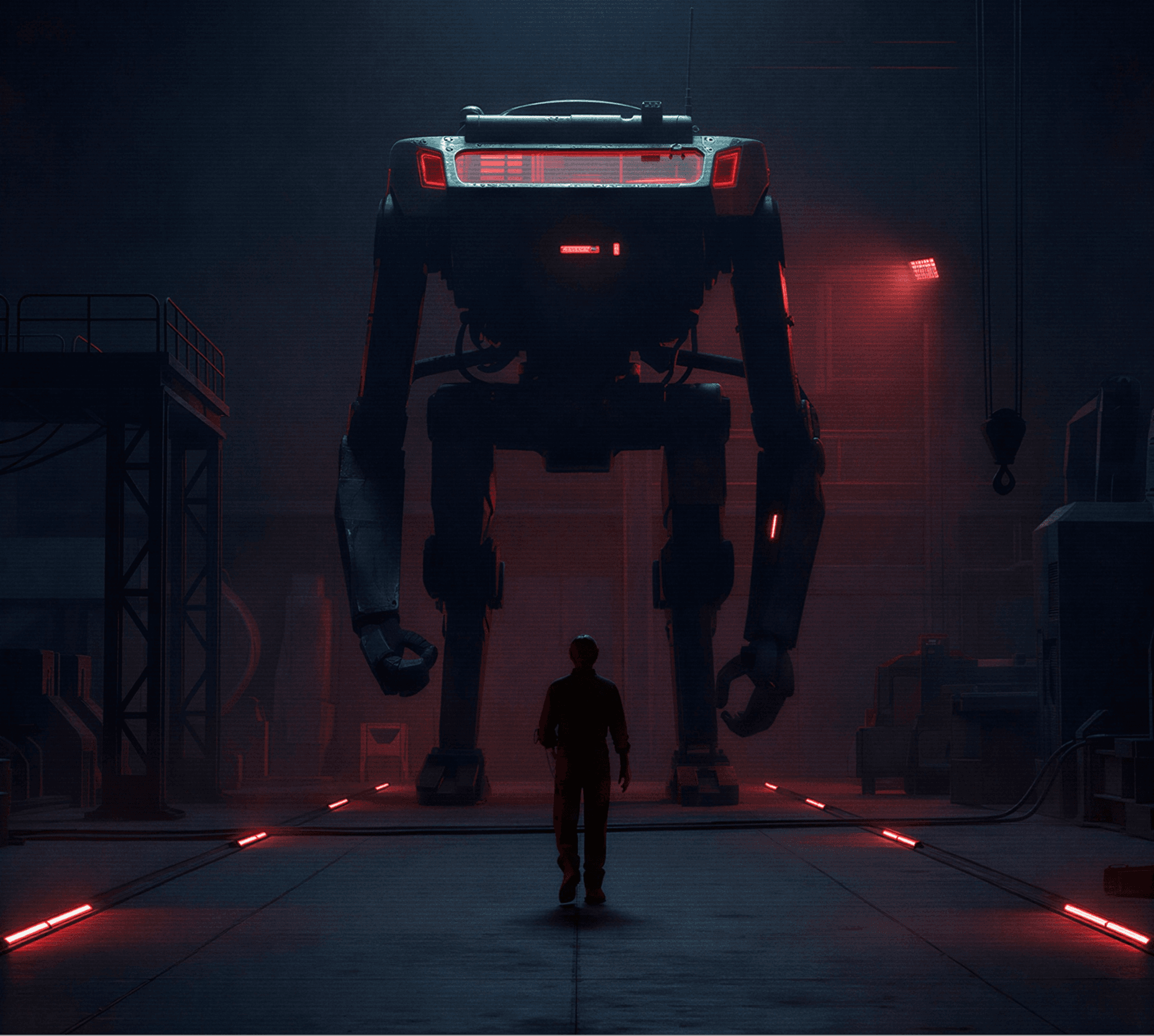
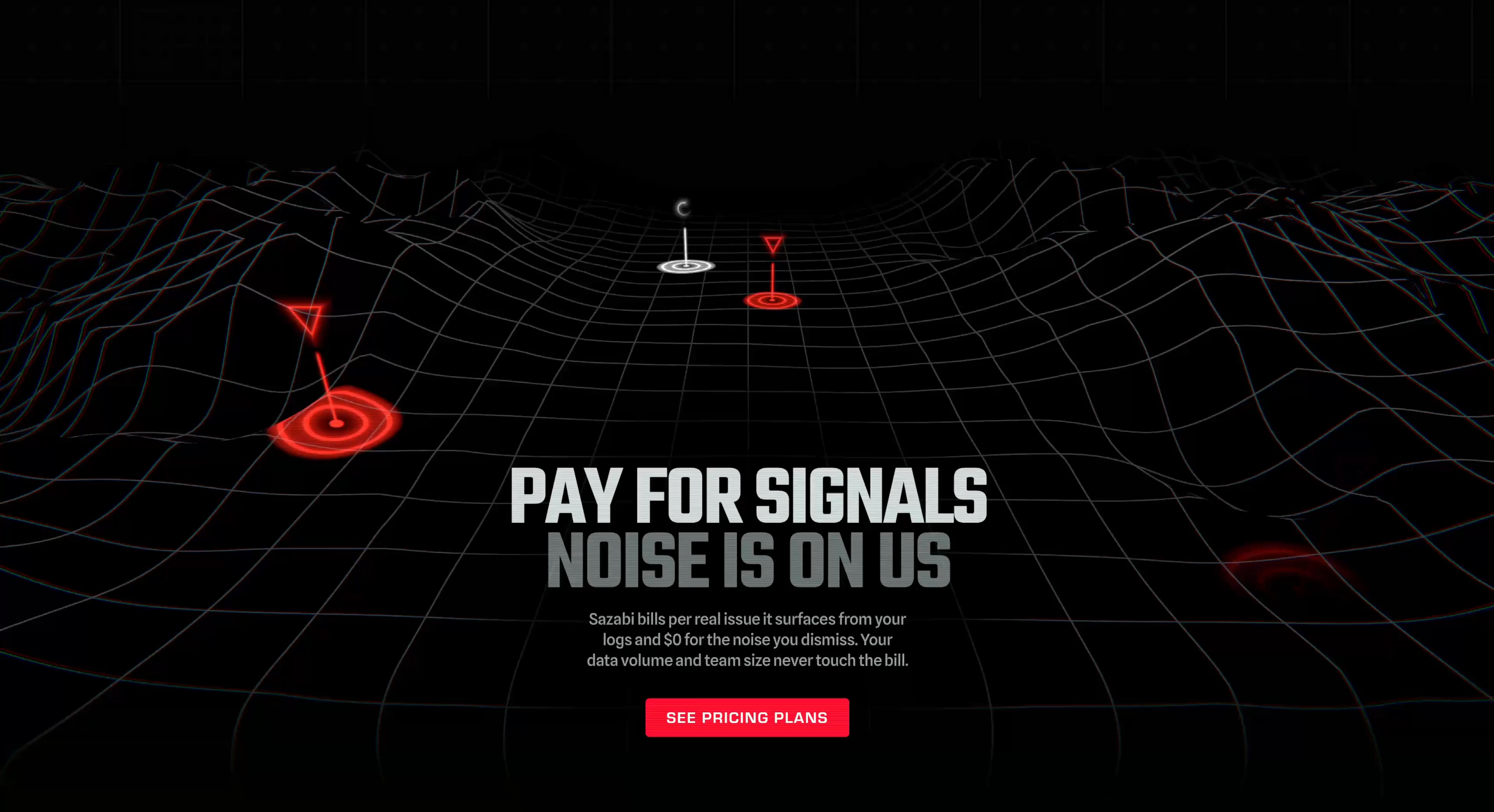
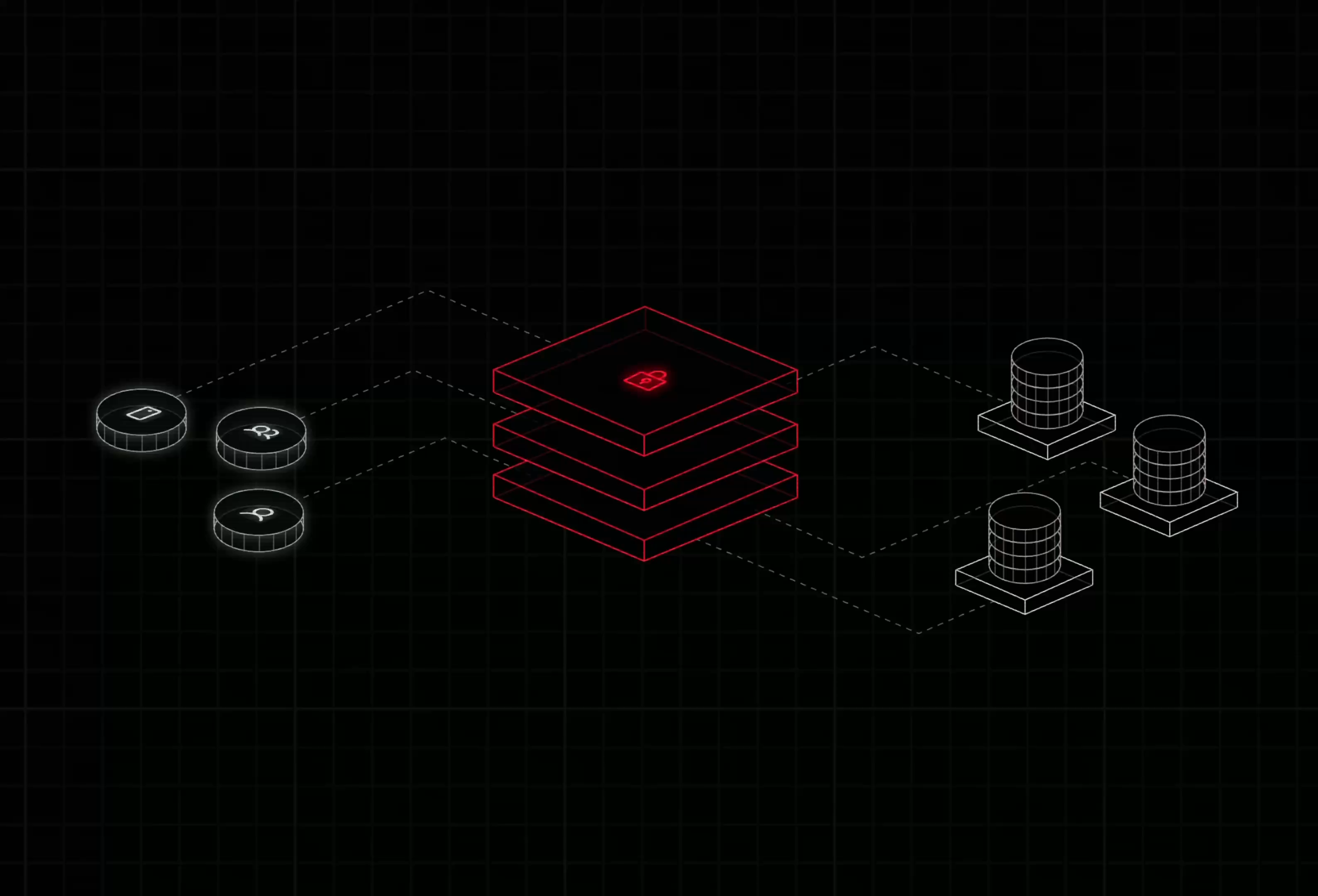
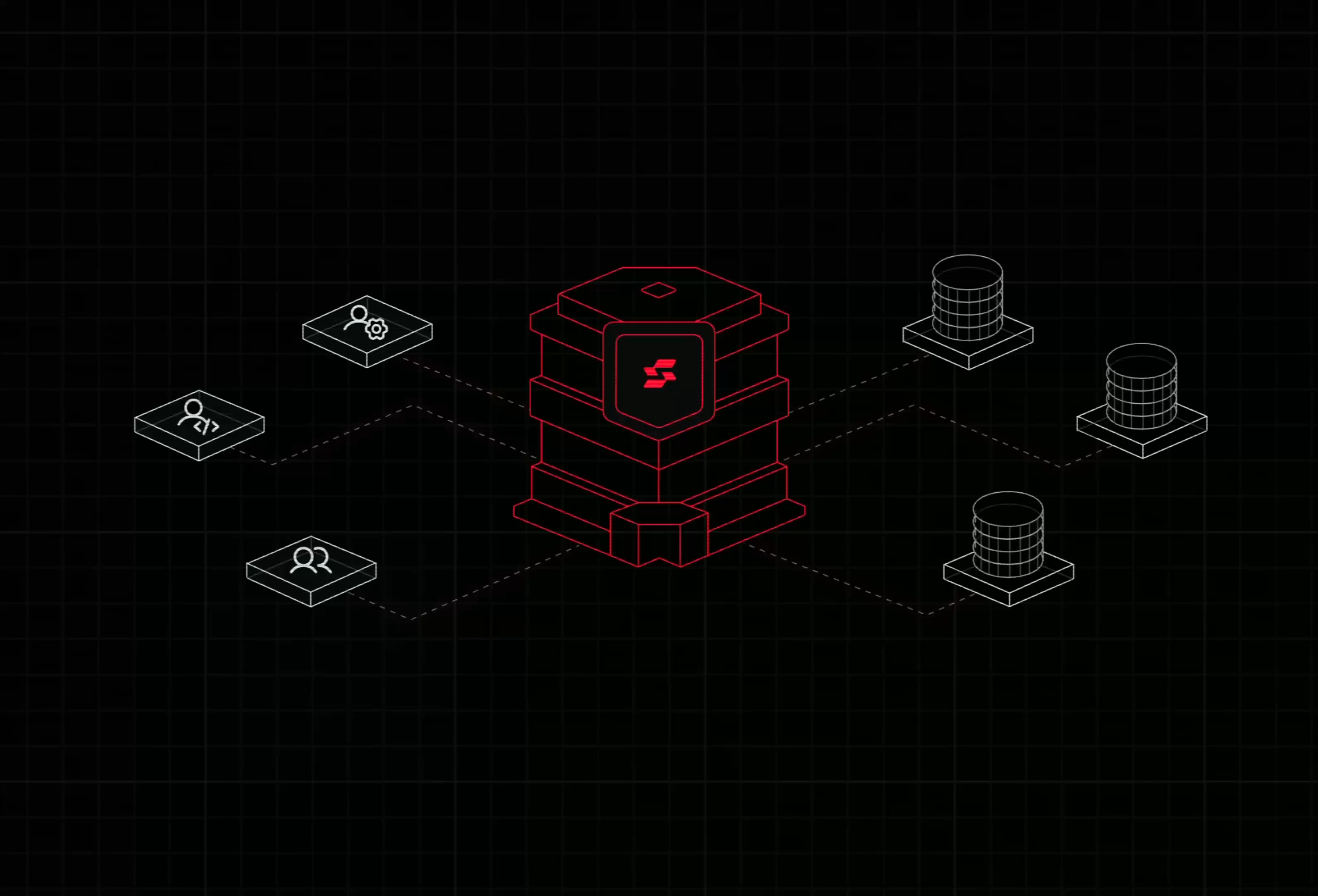
The city and console sequences use video; real-time 3D is reserved for three heroes: the home page cockpit, About mecha and Security honeycomb shield. Built with React Three Fiber and WebGPU or WebGL, they sit inside a Next.js site where ScrollTrigger, Lenis and Tempus keep footage, interaction and scroll moving together.
QuoteJOYCO gave Sazabi an unmistakable point of view. Every detail of the brand and 3D website commits to it. Nothing feels watered down.

At the core of the identity is a new mark with a storied history: the RUNSWOOSH. Taking inspiration from an iconic Nike lockup dating back to the 1980s, we replaced the

At the core of the identity is a new mark with a storied history: the RUNSWOOSH. Taking inspiration from an iconic Nike lockup dating back to the 1980s, we replaced the
At the core of the identity is a new mark with a storied history: the RUNSWOOSH. Taking inspiration from an iconic Nike lockup dating back to the 1980s, we replaced the brand name in the original with a simple and declarative “RUN.” Referencing the past but oriented toward Nike’s future, the lockup is a bold call to action for the world to do just that.
STICKERS
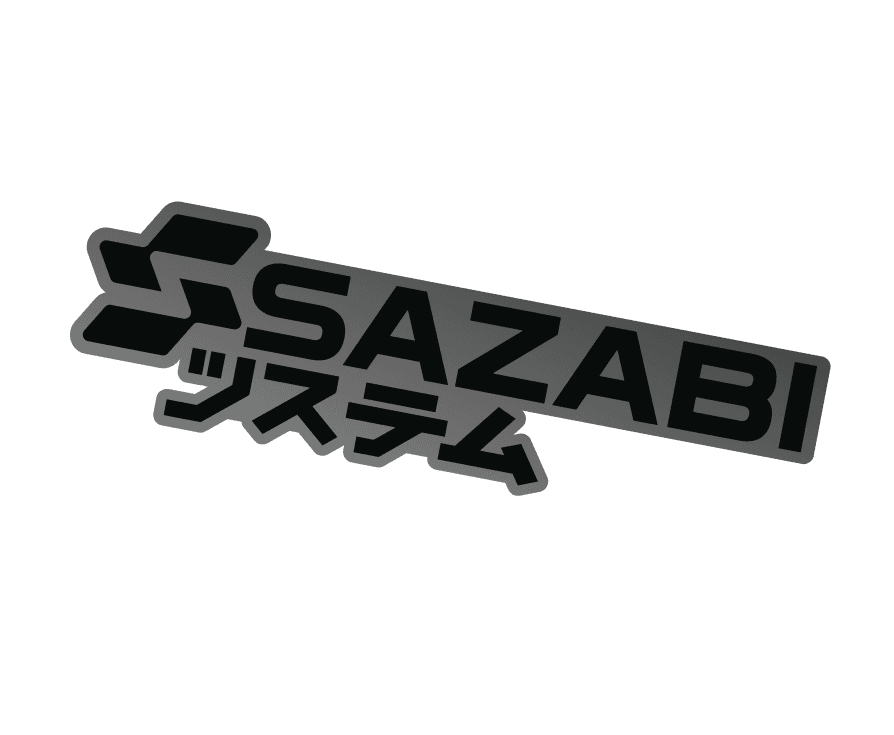
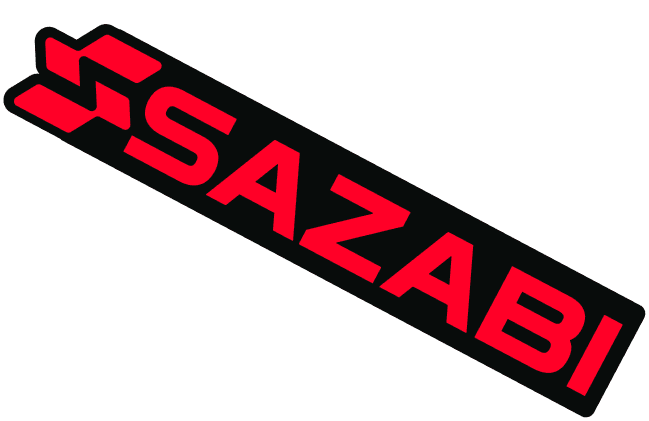
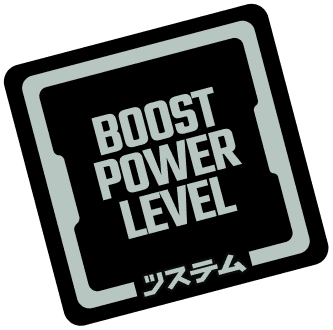
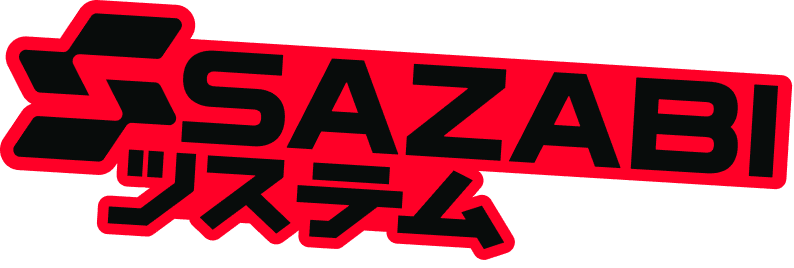
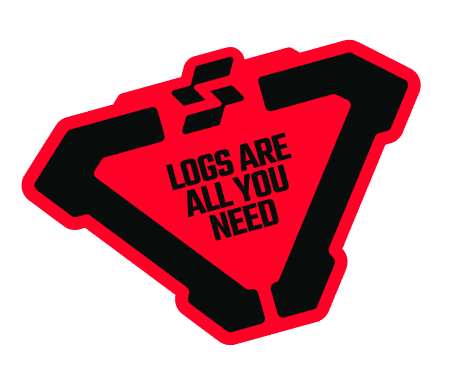
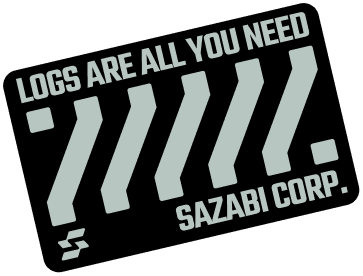
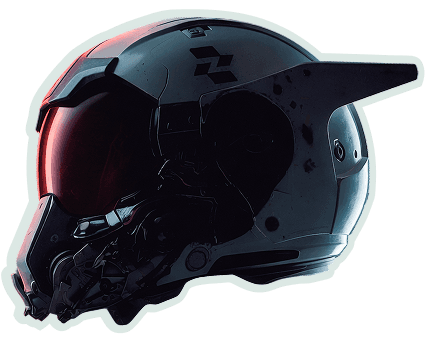
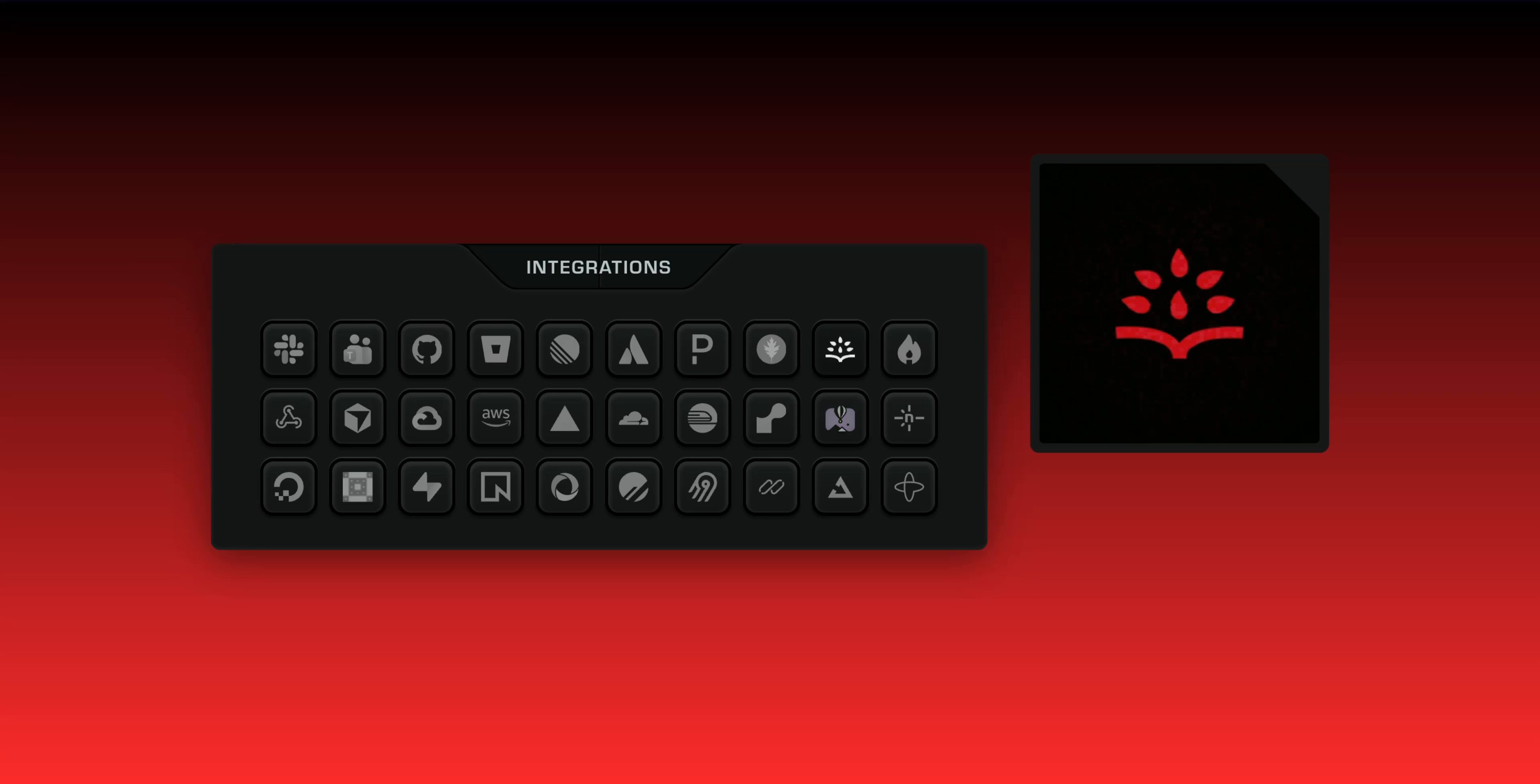
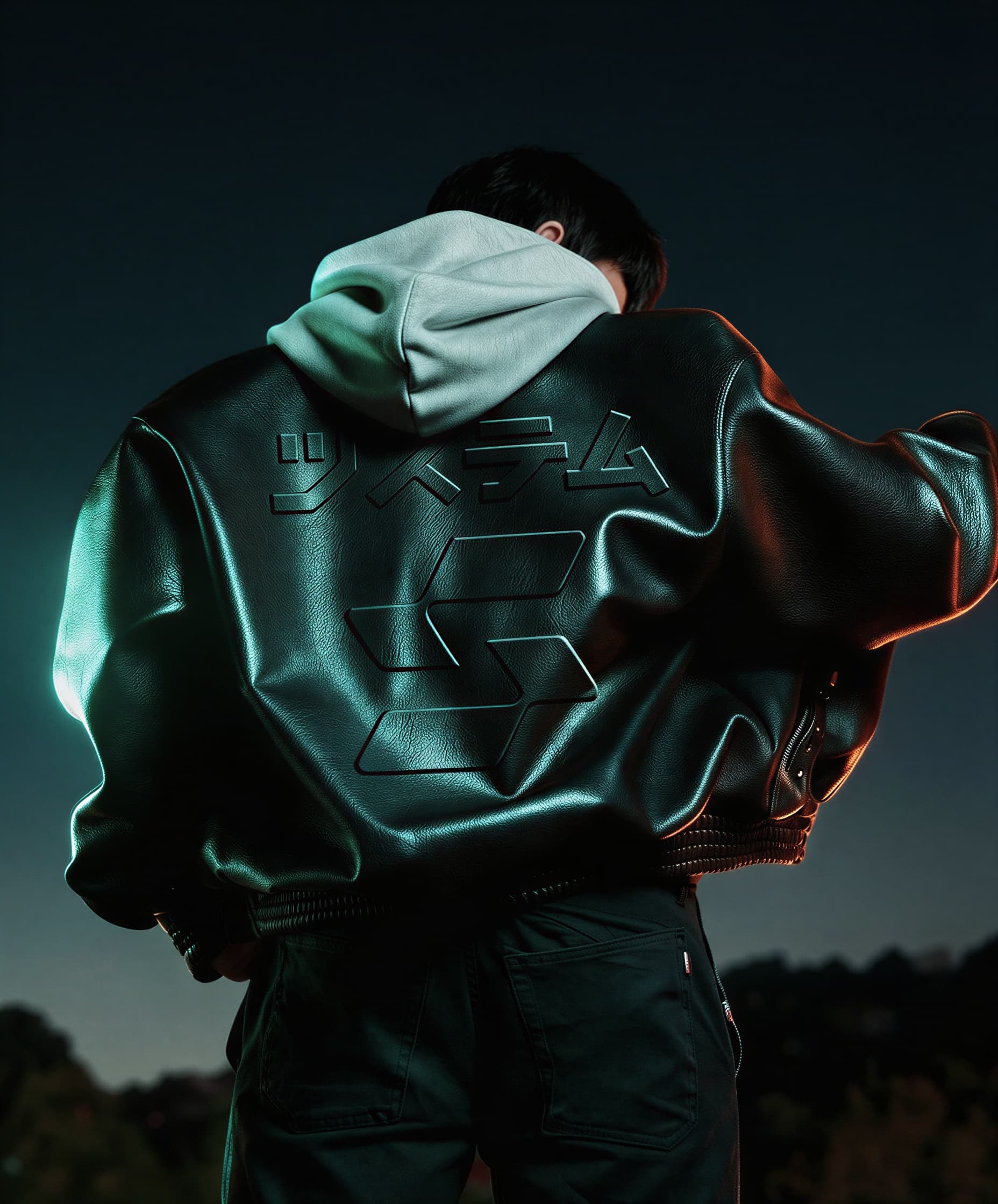
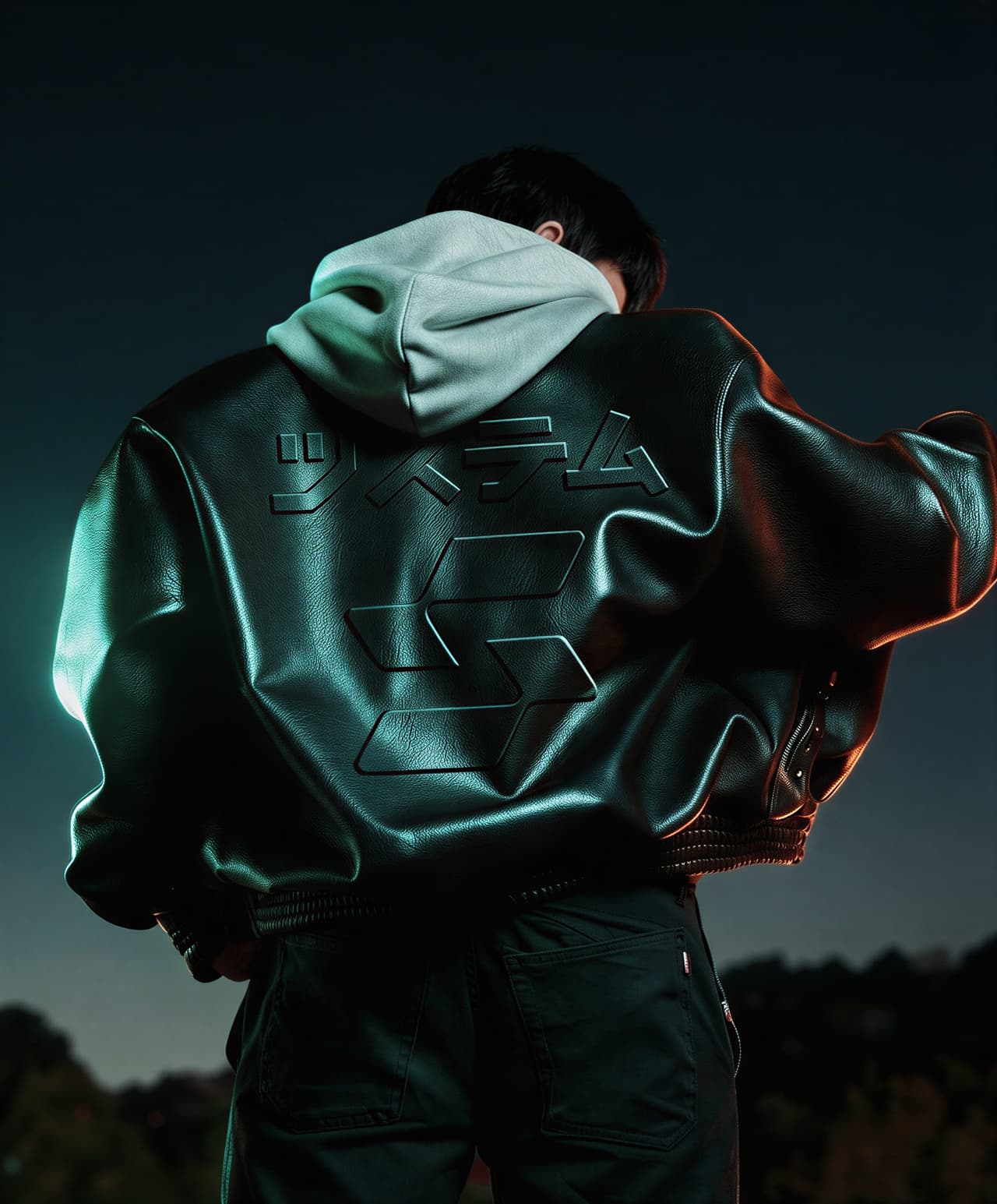
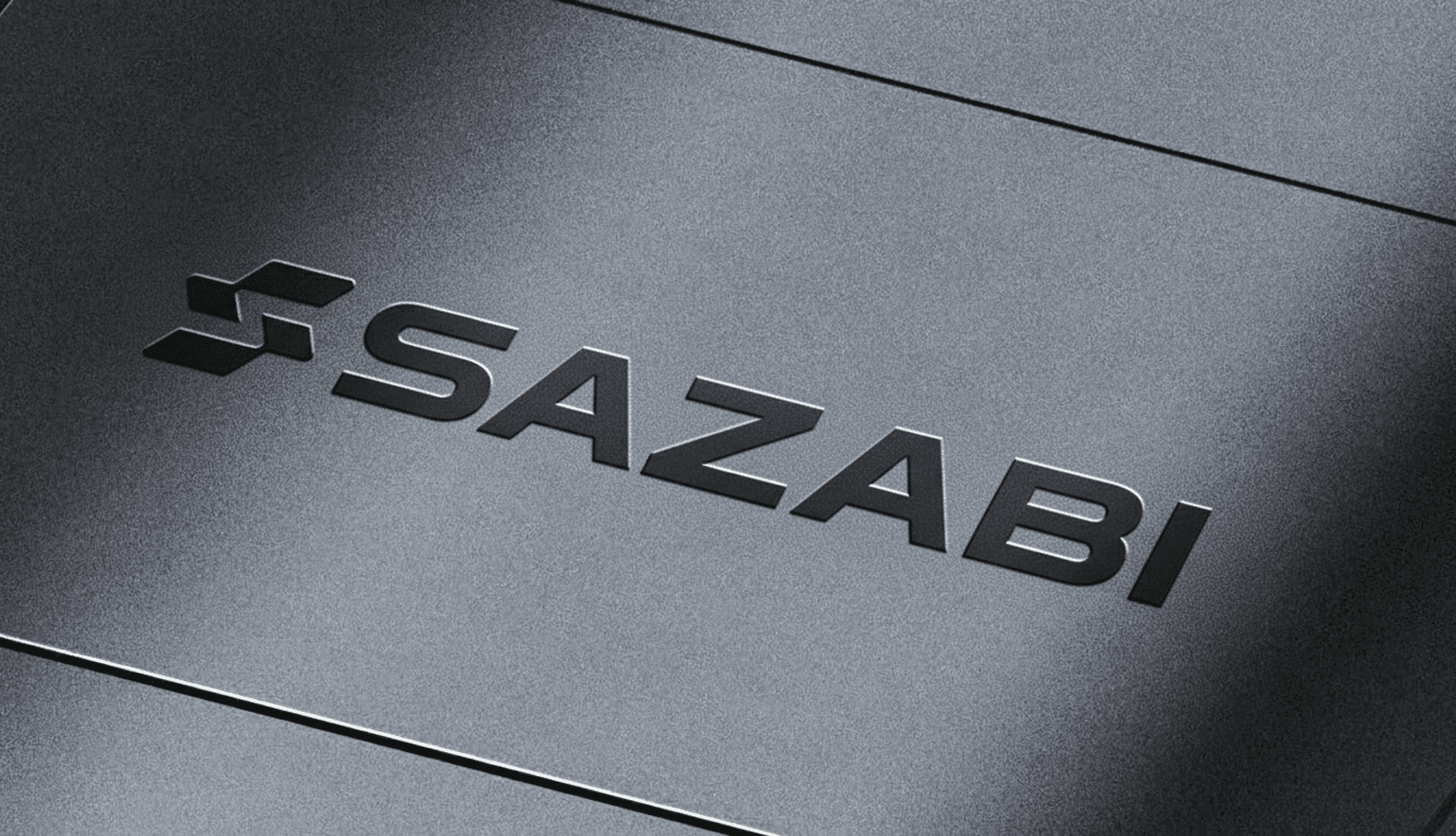
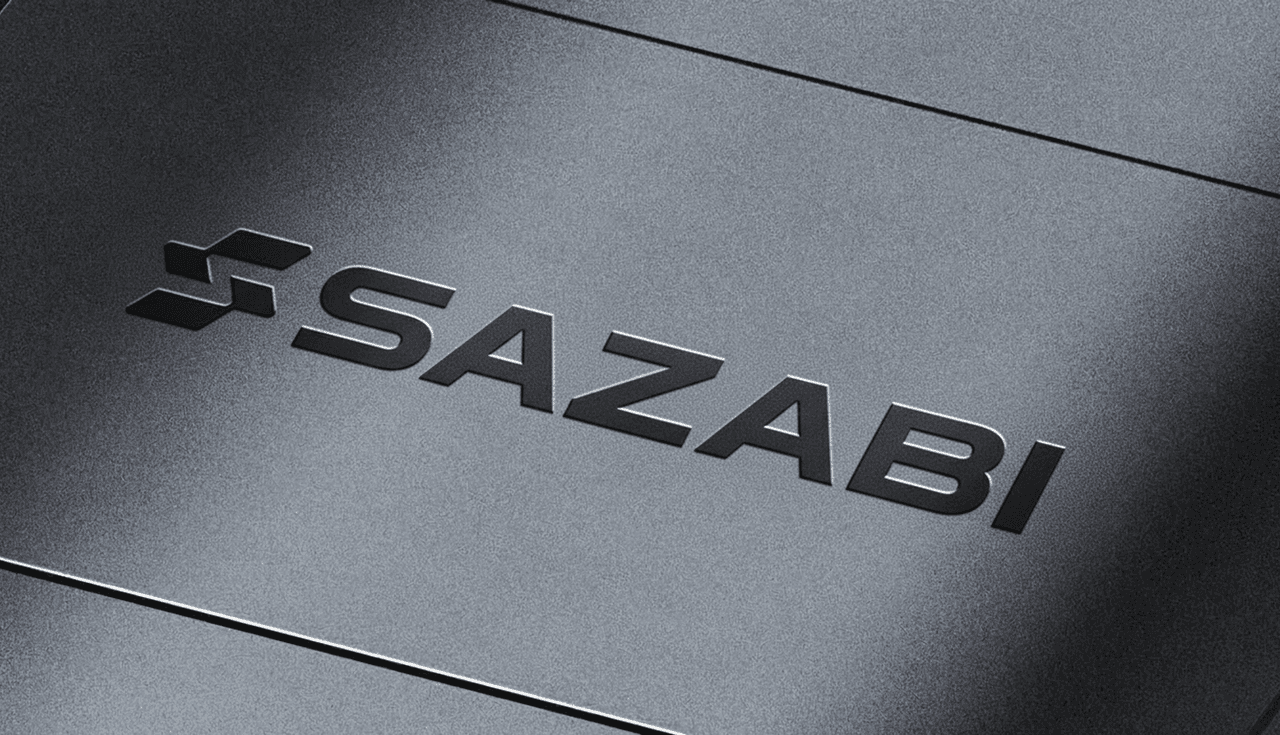
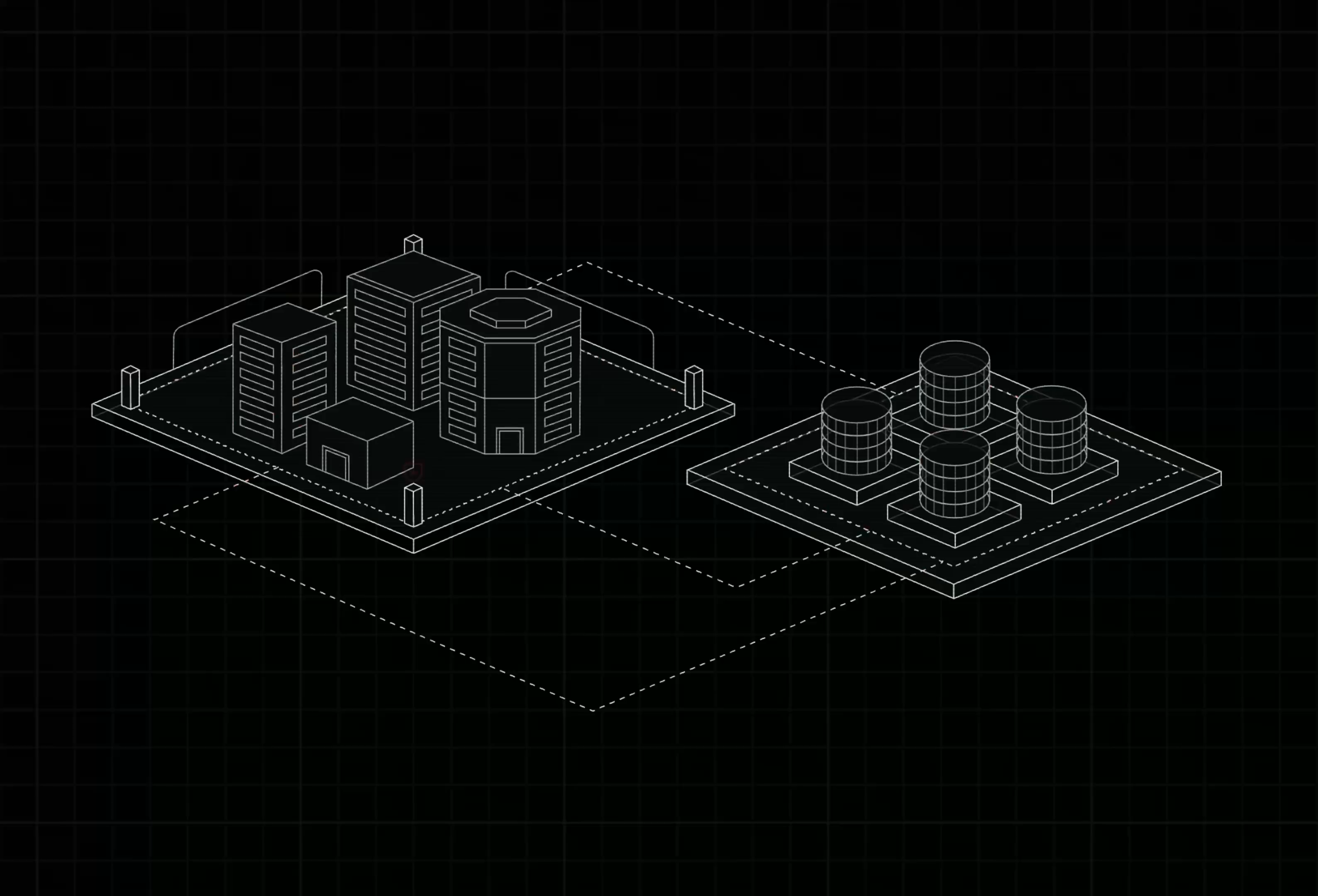
Sazabi is building an AI-native observability platform that helps engineers investigate production issues through dashboards and conversation. Our starting point was the idea of finding the signal: giving a complex technical product a clear identity, with enough character to make people curious.
The references were expressive and specific. Gundam, Evangelion, Iron Man, racing games, and rock posters informed a world of mechas, cockpit interfaces, and technical typography. We translated those influences into a visual system of red and black, condensed type, crosshairs, and registration marks, carrying the same language through the website and brand materials.
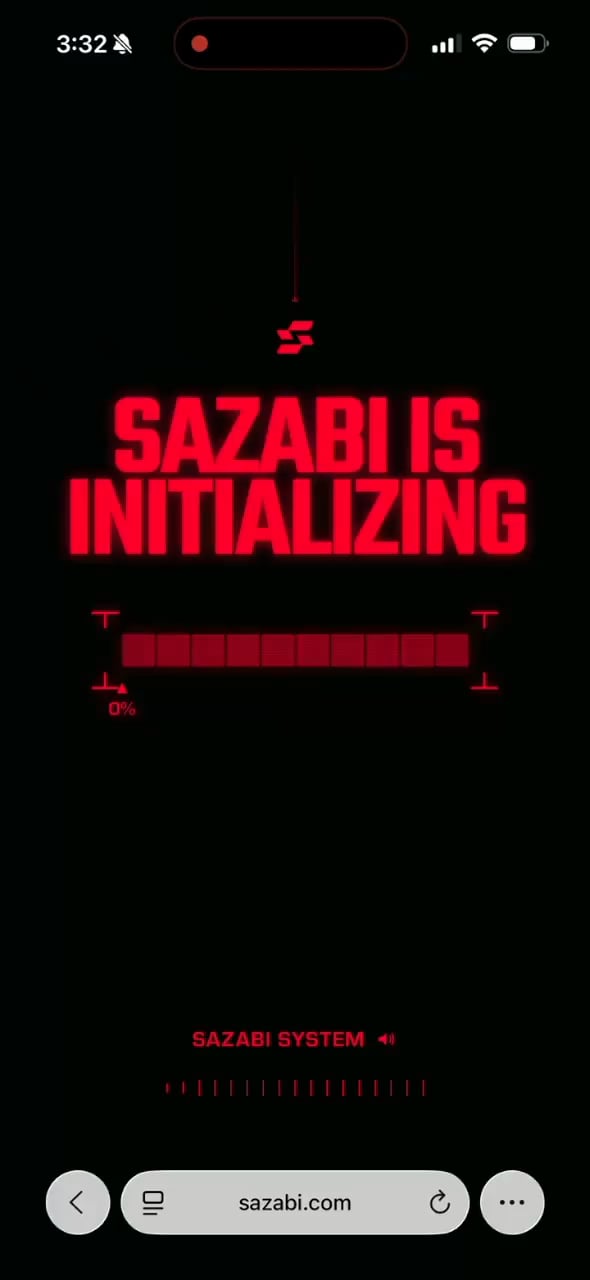
We brought that world into the browser through animated sequences and interactive 3D, from the home page cockpit to the mecha and security shield. Alongside those larger moments, we developed the grids, labels, and components that hold the everyday pages together. The identity carries through from an immersive opening scene to a blog post, a deck, or a sticker.
- Role
- BrandingDesign engineeringDevelopmentUIGraphic design
- Client
- Sazabi
- Link
- Sazabi.com
- Timeline
- Ongoing
Joyco Jam
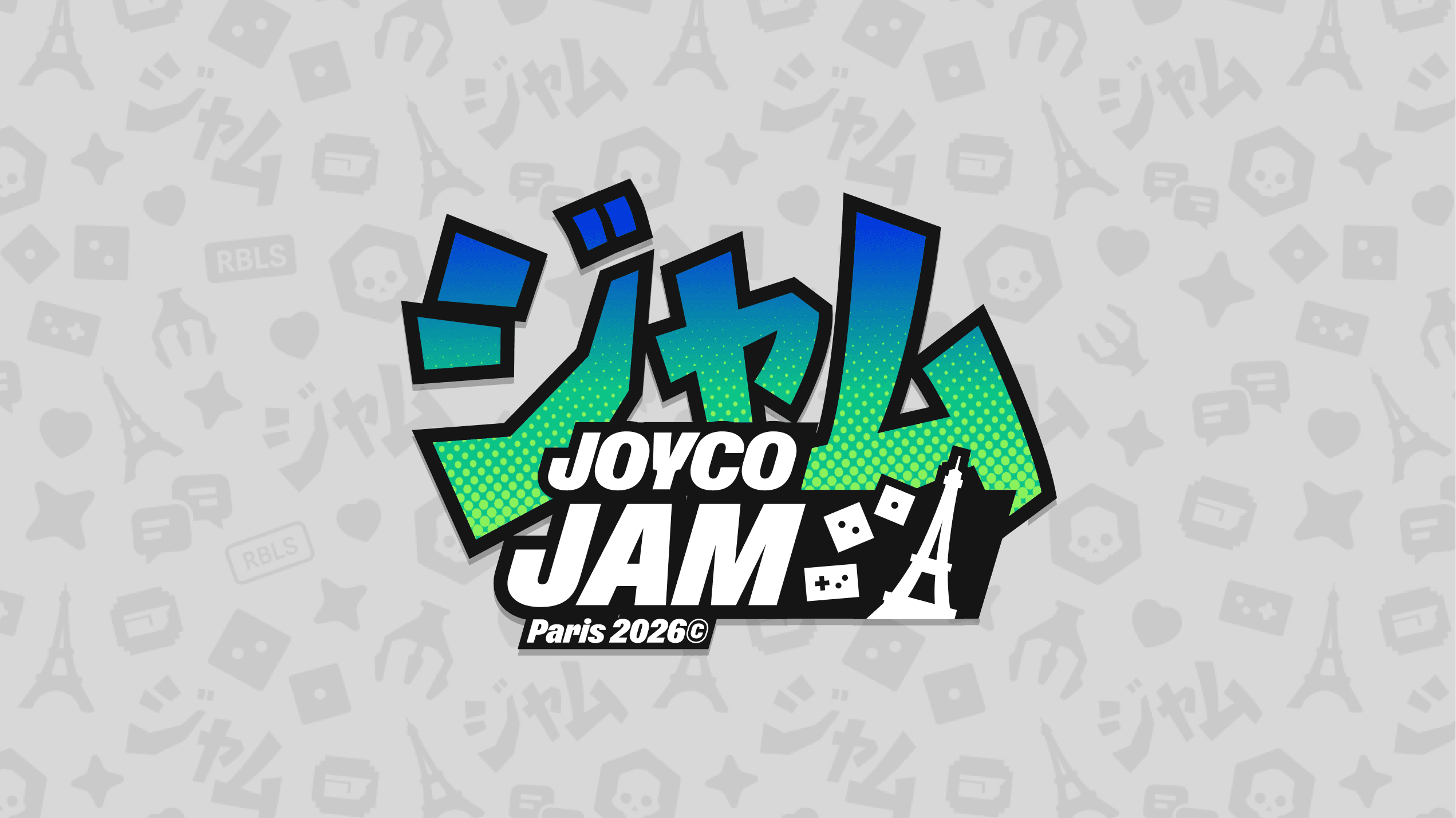
A mobile-first web app for ThreeJS.Conf in Paris, bringing original games, chat, and competition into one universe.
2026
Anomaly
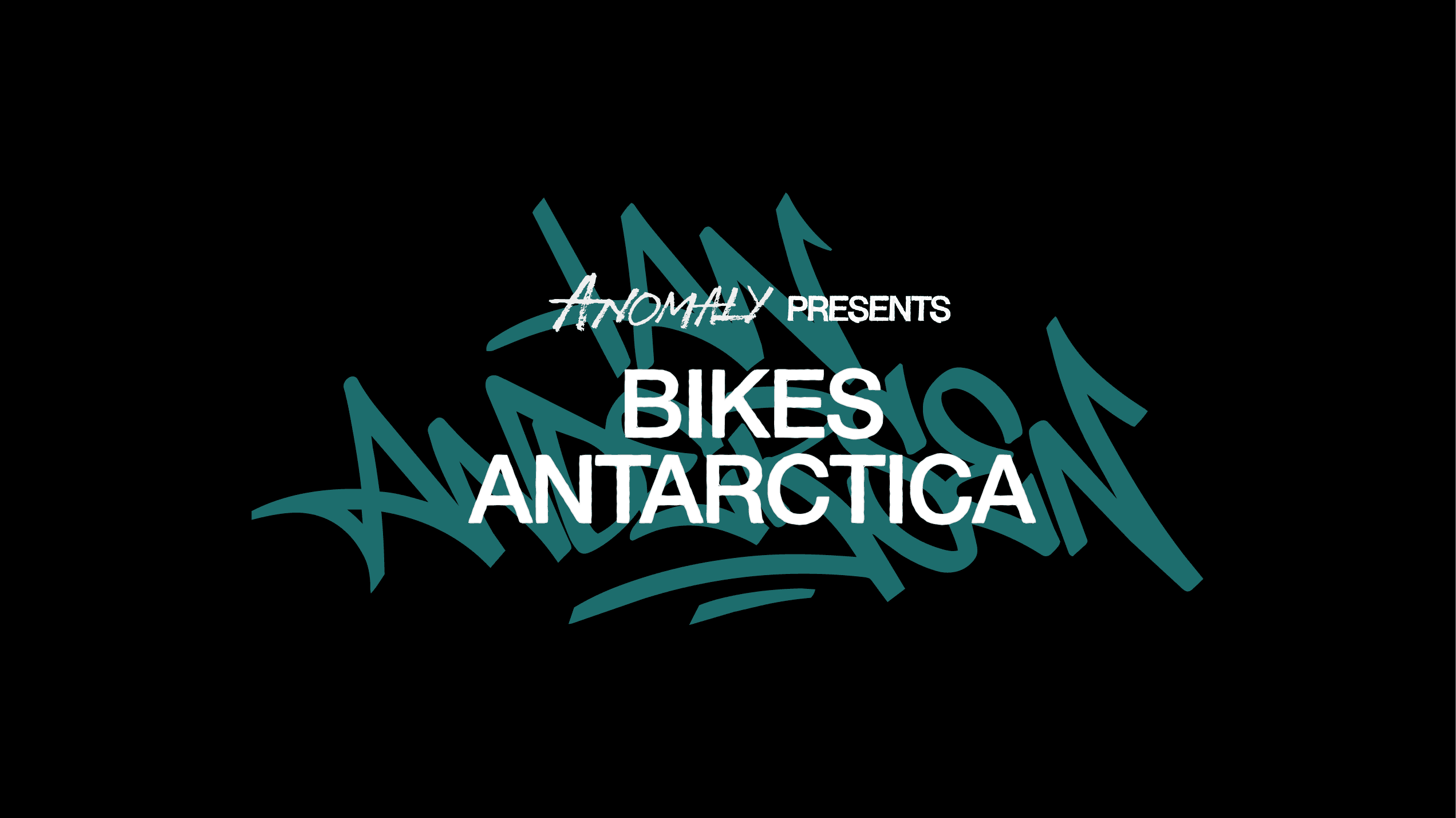
Anomaly took mountain bikes to Antarctica. The visual identity and trailer that announced it cut hand-drawn lettering, spray-paint marks and 3D props against the real footage.
2026
Opencode
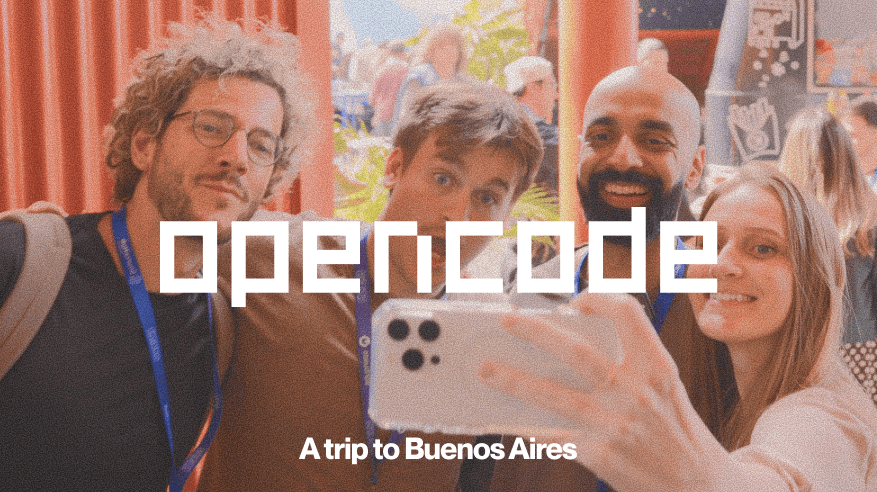
Opencode is an open-source coding agent built for the terminal. We created a focused identity and launch system around speed, clarity, and developer control.
2026